
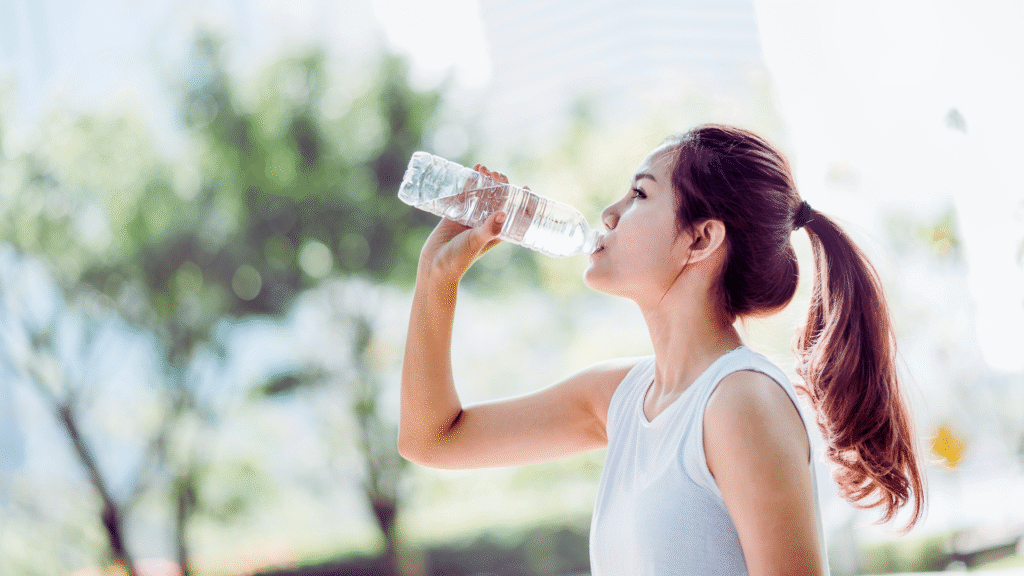
Water is essential for sustaining life, yet many overlook the importance of proper hydration. Staying adequately hydrated can enhance physical performance, mental clarity, and overall well-being, affecting everything from mood to metabolism. Understanding the science behind hydration reveals how it plays a critical role in bodily functions, making it a priority for anyone aiming for optimal health.
Dehydration can lead to a variety of issues, including fatigue, decreased cognitive function, and impaired physical performance. The body loses water daily through sweat, urine, and even respiration, necessitating a consistent intake of fluids. Many people may not realize that their hydration needs can vary based on factors such as activity level, climate, and age.
Exploring hydration science uncovers the mechanisms through which water impacts cellular processes and organ function. From regulating temperature to supporting digestion, the benefits of hydration extend far beyond simply quenching thirst. Recognizing these facts can inspire more conscientious choices regarding fluid intake, ultimately enhancing one’s quality of life.
Understanding the Science of Hydration
Hydration is essential for maintaining bodily functions, supporting overall health, and ensuring optimal performance. Key factors include the role of water, electrolytes, and blood circulation, all crucial to the hydration process.
How Water Supports Bodily Functions
Water is a fundamental component of the human body, comprising about 60% of total body weight. It plays a critical role in maintaining temperature, transporting nutrients, and removing waste products. Each cell relies on water to facilitate biochemical reactions.
Proper hydration aids digestion and nutrient absorption. It lubricates joints, reducing friction during movement. Additionally, it helps in the production of saliva and mucus, which are vital for digestion and respiratory health. Without adequate water intake, individuals may experience fatigue, headaches, and decreased cognitive function.
Electrolytes and Fluid Balance
Electrolytes are minerals essential for fluid balance, muscle function, and nerve signaling. Key electrolytes include sodium, potassium, calcium, and magnesium. They dissolve in body fluids and help regulate hydration levels.
Maintaining proper levels of electrolytes is vital. An imbalance can lead to dehydration or overhydration, resulting in various health issues. For instance, too much sodium can cause water retention, while low potassium may lead to muscle cramps.
Individuals can replenish electrolytes through food and drink. Foods like bananas, spinach, and yogurt are excellent sources. Staying hydrated during exercise or in hot weather is especially important for maintaining electrolyte balance.
Role of Oxygen and Blood Circulation
Oxygen transport is intricately linked to hydration. Water contributes to blood volume, which is essential for efficient circulation. Adequate hydration ensures that blood can effectively carry oxygen to tissues and organs.
When the body is dehydrated, blood becomes thicker, hindering circulation. This can lead to reduced oxygen delivery, impacting physical performance and cognitive functions. Staying hydrated supports cardiovascular health and enhances endurance.
Hydration levels also influence blood pressure. Proper hydration helps maintain normal levels, reducing strain on the heart. Thus, ensuring adequate fluid intake supports both blood circulation and oxygen transport throughout the body.
Consequences of Dehydration
Dehydration can lead to a range of adverse effects on the body and mind. Understanding these consequences is vital to recognizing the importance of maintaining proper hydration. Below are the key areas impacted by dehydration.
Physical Signs and Symptoms
The body exhibits various signs of dehydration that are crucial for recognition. Common physical symptoms include:
- Thirst: An early indicator, often leading to discomfort.
- Dark Urine: Concentrated urine signifies insufficient water intake.
- Dry Mouth: Lack of saliva indicates fluid deficiency.
- Fatigue: Reduced energy levels due to impaired physiological functions.
As dehydration progresses, symptoms may intensify. Individuals might experience dizziness, headaches, or dry skin. Notably, muscle cramps can occur, as water is essential for optimal muscle function. Severe dehydration can lead to serious complications, emphasizing the importance of adequate fluid consumption.
Impact on Cognitive Function
Cognitive abilities can suffer significantly due to dehydration. Research shows that even a small decrease in hydration alters mental performance. Key cognitive impacts include:
- Decreased Alertness: Water deficiency can lead to reduced attention spans.
- Impaired Memory: Short-term memory may decline, affecting learning processes.
- Mood Changes: Irritability and anxiety can result from inadequate hydration.
In laboratory studies, participants showed drops in performance after losing just 2% of body weight through fluid loss. Such changes can affect productivity and decision-making, highlighting why hydration is crucial for mental clarity and effective functioning.
Effects on Skin and Body Weight
Dehydration also plays a significant role in skin health and body composition. It can lead to:
- Dry, Flaky Skin: A lack of moisture affects skin elasticity and appearance.
- Increased Body Weight: Dehydration can cause the body to retain water, leading to temporary weight gain.
Chronic dehydration exacerbates skin conditions, affecting healing and appearance. Maintaining proper hydration supports skin health and can aid in weight management by regulating metabolism and reducing water retention.
Optimal Hydration for Performance and Well-Being
Maintaining proper hydration is crucial for enhancing performance during exercise and overall well-being. Effective hydration strategies, the role of sports drinks, and adapting fluid intake based on activity level are vital elements in achieving optimal hydration.
Hydration Strategies for Exercise and Sports
Athletes and active individuals should prioritize hydration before, during, and after physical activity. Consuming fluids in moderation throughout the day can help maintain electrolyte balance and prevent dehydration.
- Pre-exercise: Drinking water or electrolyte-rich beverages two to three hours prior to exercise is recommended. This prepares the body for the upcoming physical demands.
- During exercise: Intake should be regular; every 15 to 20 minutes, a person should consume 7 to 10 ounces of water. For extended activities over an hour, incorporating sports drinks can help replenish lost electrolytes.
- Post-exercise: Rehydrating with water or a recovery drink that contains carbohydrates and protein supports muscle recovery and replaces lost fluids.
The Role of Sports Drinks and Carbohydrates
Sports drinks are formulated to hydrate effectively while providing essential carbohydrates and electrolytes. Their composition can improve performance, particularly during high-intensity or prolonged exercise.
- Carbohydrates: They serve as an energy source during workouts. Drinks containing about 6-8% carbohydrates are optimal for endurance activities.
- Electrolytes: Sodium and potassium in sports drinks aid in quick hydration and replenishment of electrolytes lost through sweat. This is particularly vital for athletes in hot conditions or during long events.
Choosing the right sports drink can enhance endurance and mitigate fatigue, making it integral to any athlete’s hydration strategy.
Adapting Fluid Intake to Activity Level
Fluid intake needs can vary significantly based on an individual’s activity level, climate, and body weight. Recognizing these variables is key to effective hydration.
- Light activity: For individuals engaging in low-intensity workouts, water suffices for hydration. Consuming 2-3 liters daily is generally adequate.
- Moderate to high activity: More vigorous athletes may require significantly more fluid. Guidelines suggest 0.5 to 1 liter of fluid per hour of exercise, adjusting for sweat rates and environmental conditions.
- Environmental considerations: Hot and humid weather increases sweat loss, necessitating more aggressive hydration plans. Monitoring fluid intake and adjusting according to activity intensity ensures optimal performance and well-being.
Daily Water Intake: Practical Guidelines
Maintaining proper hydration involves understanding daily water intake needs, sourcing water from food, and considering how to balance water intake with health factors. These elements contribute significantly to overall well-being.
How Much Water Should You Drink?
The general guideline for daily water intake is approximately 3.7 liters (125.1 ounces) for men and 2.7 liters (91.2 ounces) for women. This includes all beverages and food sources. Individual needs can vary based on factors such as activity level, climate, and health conditions.
For active individuals or those in hot environments, higher water consumption is often necessary. A practical approach is to drink water consistently throughout the day rather than consuming large amounts in one sitting.
A helpful recommendation is to monitor urine color. If it remains pale yellow, hydration levels are likely adequate. Darker urine may indicate a need for increased water intake.
Meeting Hydration Needs Through Food
Water is not only consumed through beverages; many foods contribute significantly to hydration. Fruits and vegetables have high water content, making them excellent sources. For example, cucumbers and watermelons have over 90% water.
Incorporating a variety of these foods into a diet can help meet daily hydration needs. Here are some water-rich options:
- Cucumbers: ~95% water
- Lettuce: ~95% water
- Watermelon: ~92% water
- Strawberries: ~91% water
Including these items not only aids in hydration but also provides essential nutrients that promote overall health.
Balancing Water Intake and Health
Balancing water intake involves understanding personal health conditions that may affect hydration needs. Certain medical issues, such as kidney disease or heart conditions, can change fluid requirements significantly.
It is essential to consult with a healthcare provider to tailor water intake appropriately. Additionally, factors like caffeine and alcohol can increase dehydration risks, so moderation is advisable.
Listening to the body is crucial. Thirst is a clear signal for hydration needs. Regular intake of water throughout the day can prevent dehydration before symptoms arise.