
Finding snacks that align with diet goals can be challenging. Choosing the right snacks can provide essential nutrients while satisfying hunger and keeping energy levels stable. Whether aiming for weight loss, muscle gain, or simply healthier eating habits, the right snack choices can make all the difference.
Smart snacking is key to maintaining a balanced diet. Health-conscious individuals often look for options that are low in sugar and high in protein or fiber. Incorporating snacks like nuts, yogurt, or fruits not only complements main meals but also contributes to overall wellness.
Discovering snacks that support dietary objectives can enhance both physical and mental health. By selecting nutritious options, individuals can stay committed to their health and fitness goals without feeling deprived.
Fundamentals of Choosing Snacks That Support Your Diet
Selecting the right snacks is essential for achieving diet goals. By focusing on nutritional needs, being mindful of portion sizes, and choosing nutrient-dense options, individuals can enhance their overall diet and support weight management.
Nutritional Needs for Different Diet Goals
Different diet goals require specific nutritional approaches. For weight loss, a focus on lower-calorie, nutrient-dense snacks can promote satiety without excessive calorie intake. Options like vegetables, fruits, and lean proteins fit this category.
For individuals aiming to build muscle, higher protein snacks help with muscle repair and growth. Foods like Greek yogurt, nuts, or protein bars are beneficial in these scenarios. Recognizing personal dietary needs aligns snacks with health objectives.
Understanding Portion Size and Daily Calorie Intake
Portion control is crucial in maintaining a balanced diet. Understanding appropriate serving sizes ensures that snacking does not lead to unintentional calorie overload. For example, one serving of almonds is typically about 23 nuts, approximately 160 calories.
Monitoring daily calorie intake is fundamental for weight management. Individuals should track their total calorie consumption against their diet goals. This method helps in making informed snack choices that align with their caloric limits while supporting hunger management.
Recognizing Nutrient-Dense and Healthy Snacks
Nutrient-dense snacks provide more vitamins and minerals per calorie, supporting overall health. Choosing options like fruits, vegetables, nuts, and seeds is advantageous. These snacks not only provide essential nutrients but also promote satiety.
Read nutritional labels to avoid snacks high in added sugars and unhealthy fats. A good rule of thumb is to select snacks that are high in fiber and protein while low in sugar. This practice helps to maintain energy levels and curb hunger effectively.
Smart Snack Choices for Effective Weight Management
Making smart snack choices can significantly support weight management efforts. Prioritizing nutrient-dense foods can help to curb cravings and provide essential nutrients. The following options highlight specific snacks that are effective for maintaining a healthy diet.
High-Protein Options: From Greek Yogurt to Edamame
High-protein snacks help to build lean muscle and keep appetite in check. Greek yogurt is an excellent choice, containing about 20 grams of protein per 7-ounce serving. It can be enhanced with berries or seeds for added nutrients.
Edamame, or young soybeans, also offers a solid protein punch. A cup contains around 18 grams of protein along with essential amino acids. Enjoy it steamed with a sprinkle of sea salt for a savory snack that fulfills both protein and fiber needs.
Best Fiber-Rich Snacks for Curbing Cravings
Fiber-rich snacks are instrumental in promoting satiety. They slow digestion, helping to prolong feelings of fullness. Options like air-popped popcorn or whole-grain crackers can provide substantial fiber in a low-calorie format.
Chia seeds are another beneficial snack, packing around 10 grams of fiber per ounce. They can be added to smoothies or used in puddings for a nutritious twist. Including these fiber sources keeps cravings at bay and supports digestive health.
Incorporating Fruits and Vegetables Into Snack Time
Fruits and vegetables are vital for a balanced diet and make excellent snacks. Berries, apples, and oranges are portable and deliver vitamins, minerals, and hydration. They are generally low in calories, making them perfect for snacking.
Vegetables such as carrots, celery, and bell peppers can be paired with hummus or yogurt dips. This combination not only enhances flavor but also adds healthy fats and fiber, increasing satisfaction and nutritional value.
Healthy Fats: Nuts, Seeds, and Their Benefits
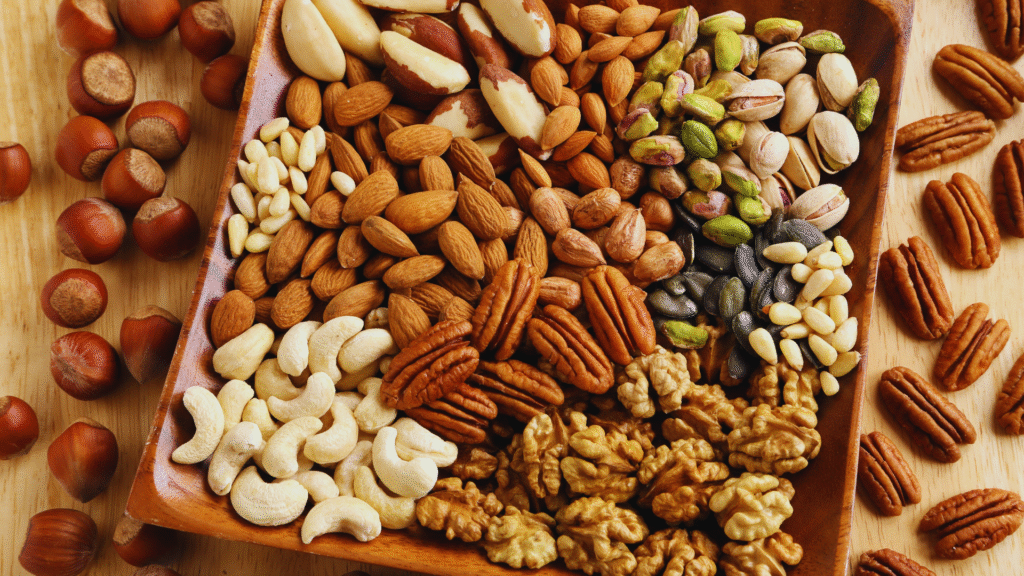
Incorporating healthy fats into snacks is crucial for satiety. Nuts, including almonds and walnuts, offer protein and heart-healthy fats. Just a small handful can provide essential nutrients without excess calories.
Seeds, such as flaxseeds and pumpkin seeds, can also be beneficial. They are rich in omega-3 fatty acids and protein, providing both nutritional value and flavor. Including a variety of these snacks ensures a well-rounded approach to weight management.
Snack Ingredients, Nutrition Labels, and Smart Preparation
Understanding snack ingredients and how to read nutrition labels is crucial for making informed dietary choices. Smart preparation, including meal planning, can significantly enhance one’s ability to select healthy snacks.
Reading Nutrition Labels and Avoiding Added Sugars
Nutrition labels provide essential information about the contents of a snack. It’s important to look for total carbohydrates, fiber, and protein, but most crucially, the added sugars line.
- Check Total Sugars vs. Added Sugars: Total sugars include natural and added sugars. Focus on minimizing added sugars found in processed foods.
- Choose Snacks with Low Sugar Content: Snacks should ideally have less than 5 grams of added sugars per serving.
By being diligent in reading nutrition labels, they can better manage their sugar intake and support their diet goals.
Whole Grains & Lean Proteins: Crackers, Oats, and More
Including whole grains and lean proteins in snacks can enhance nutritional value and satisfaction. Whole grains like oats and whole-grain crackers provide fiber, which promotes fullness.
- Benefits of Whole Grains: Whole grains offer more nutrients compared to refined grains. They help regulate digestion and keep energy levels steady.
- Lean Protein Choices: Incorporating lean proteins, such as nut butters or low-fat cheese, can make snacking more satisfying.
Selecting snacks with these components supports a balanced diet while keeping hunger at bay.
Using Meal Planning to Choose Healthy Snacks
Meal planning is a powerful tool for choosing healthy snacks. By planning ahead, individuals can avoid impulsive, unhealthy choices.
- Create a Snack Strategy: Allocate specific snack times, and decide on nutrient-rich options in advance.
- Stock Healthy Ingredients: Keep whole grains, fruits, and lean proteins readily available. This makes it easier to whip up nutrient-dense snacks quickly.
By being organized in meal planning, they can ensure that healthy snacks are always accessible, supporting their overall diet goals.
Extra Tips: Beverages, Processed Foods, and Special Dietary Considerations
Beverages and food choices play a significant role in achieving diet goals. Recognizing options that align with health objectives can simplify progress. This section explores the selection of beverages, the impact of processed foods, and the consideration of special dietary needs.
Choosing the Best Low-Calorie Beverages
Selecting low-calorie beverages can significantly impact one’s calorie intake. Water should be the primary choice due to its calorie-free nature and health benefits.
- Herbal teas and vegetable juices without added sugars are excellent alternatives.
- Black coffee can provide energy without excess calories, but moderation is key to avoiding caffeine-related issues.
Reading labels is crucial. Many drinks contain hidden sugars that can elevate calorie counts. Opting for sparkling water or infusing plain water with fruits can also make hydration enjoyable without added calories.
Minimizing Salt, Saturated Fats, and Processed Snacks
Reducing intake of salt and saturated fats is essential for maintaining heart health and proper blood pressure levels. Processed snacks often contain high amounts of both, contributing to obesity risks.
- Choose whole foods like fruits, nuts, and whole grains over packaged options.
- Always read nutrition labels to identify unhealthy additives.
Incorporating snacks low in sodium and unhealthy fats can help manage cravings while supporting dietary goals. For instance, air-popped popcorn or baked vegetable chips can satisfy snacking desires with fewer unhealthy components.
Anti-Inflammatory Snacks and Managing Blood Sugar
Incorporating anti-inflammatory snacks can support overall health and help manage blood sugar levels. Foods rich in omega-3 fatty acids and fiber are particularly beneficial.
- Examples include walnuts, chia seeds, and berries.
- These snacks can help combat inflammation linked to chronic conditions, such as heart disease.
Pairing snacks high in fiber with proteins can stabilize blood glucose levels. For instance, hummus with carrot sticks combines fiber and protein, creating a nutritious choice. Making these conscious choices supports weight management and enhances overall health.