
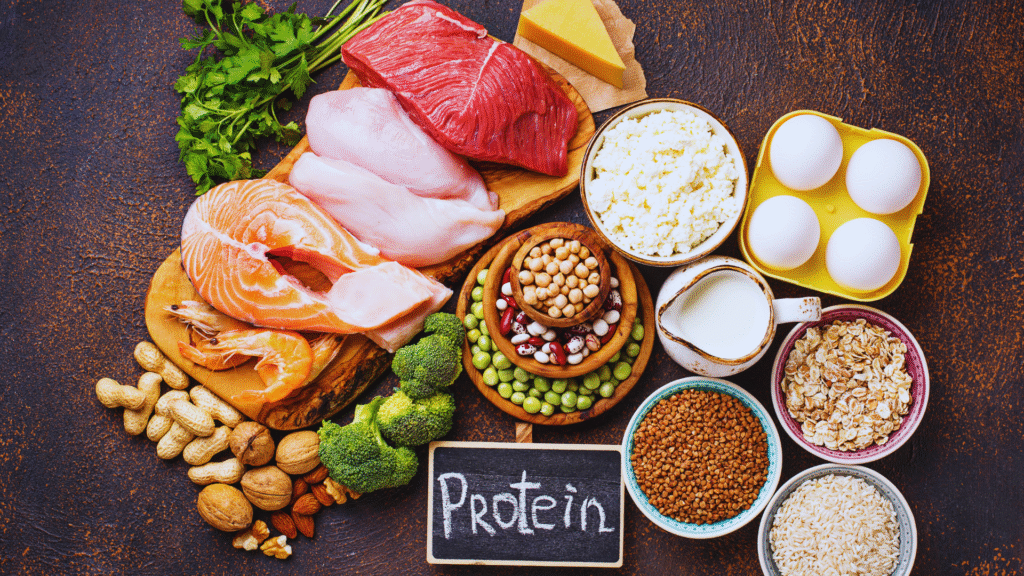
High-protein foods are essential for anyone looking to support weight loss efforts effectively. These foods can help boost metabolism, reduce appetite, and promote muscle mass while shedding fat. Incorporating a variety of high-protein options into daily meals can make a significant difference in achieving weight loss goals.
Many people may not realize the range of delicious and nutritious high-protein foods available. From lean meats and fish to plant-based sources like legumes and quinoa, there is something for everyone. This article presents a list of top high-protein foods that not only satisfy hunger but also aid in weight management.
Understanding the role of protein in a weight loss regimen can empower individuals to make healthier food choices. By focusing on high-protein options, people can enhance their diets while enjoying satisfying meals that support their weight loss journey.
How Protein Supports Weight Loss
Protein plays a crucial role in weight loss through its effects on satiety, muscle preservation, and metabolism. Understanding these aspects can help individuals optimize their diets for effective weight management.
Protein’s Role in Satiety and Appetite Control
Protein enhances feelings of fullness, which aids in reducing overall calorie intake. It influences hormones like ghrelin and peptide YY, supporting appetite regulation. Foods high in protein, such as lean meats, legumes, and dairy, promote prolonged satiety compared to carbohydrate-rich foods.
Incorporating protein into meals can lead to fewer cravings and snacking, which is vital for those aiming to lose weight. Registered dietitians often recommend a higher protein intake to help manage hunger while on a caloric deficit.
Preserving Muscle Mass During Weight Loss
When losing weight, individuals often risk losing muscle mass along with fat. A high-protein diet can help preserve muscle tissue during caloric restriction. Consuming sufficient protein supports muscle protein synthesis, ensuring that the body maintains muscle rather than breaking it down.
Including sources like chicken, fish, eggs, and plant-based options helps individuals meet their protein needs. This not only supports physical strength but also contributes to a higher resting metabolic rate, facilitating continued weight loss.
Impact of Protein on Metabolism
Protein has a more substantial thermic effect than fats or carbohydrates, meaning it requires more energy for digestion and metabolism. This characteristic can boost caloric expenditure, supporting weight loss efforts.
Moreover, a high-protein diet can lead to increased energy levels, promoting higher levels of physical activity. This combination of factors makes protein a vital component in weight management strategies. Balancing protein intake with other macronutrients can optimize results, making it essential for effective nutrition planning.
Top High-Protein Foods That Support Weight Loss
High-protein foods can enhance weight loss by promoting satiety and preserving muscle mass. The following categories provide various options, catering to both animal-based and plant-based diets.
Lean Meats and Poultry
Lean meats such as chicken, turkey, and cuts of beef and pork are excellent high-protein options. Skinless chicken breast stands out with around 31 grams of protein per 100 grams. Turkey also delivers significant protein while being lower in calories than other meats.
Including lean beef or pork tenderloin provides protein and essential nutrients like iron and zinc. These meats can be grilled, baked, or stir-fried for flavorful meals without excess fat. Portion control remains critical to keep calorie counts in check.
Seafood and Fish
Seafood is a rich source of protein and includes options like salmon, tuna, cod, and shrimp. Salmon, praised for its high omega-3 fatty acid content, provides about 25 grams of protein per 100 grams.
Tuna is versatile and can be enjoyed canned or fresh, offering lean protein without added fats. Cod and shrimp also deliver protein with lower caloric content, making them excellent choices for balanced meals. Incorporating fish can enhance heart health and overall well-being.
Dairy Products and Alternatives
Dairy products such as Greek yogurt, cottage cheese, and cheese offer protein-rich snacks and meals. Greek yogurt contains about 10 grams of protein per 100 grams and is versatile enough for smoothies or bowls. Cottage cheese is another high-protein option, providing roughly 11 grams of protein per 100 grams.
For those seeking alternatives, plant-based options exist. Almond milk fortifies with protein, while soy products like tofu and tempeh deliver both protein and essential amino acids. These dairy sources support muscle preservation and keep hunger at bay.
Plant-Based Protein Sources
Plant-based proteins are excellent for those pursuing vegetarian or vegan diets. Legumes such as beans, lentils, and chickpeas are especially rich in protein, with around 9 grams per cooked cup for lentils. Quinoa, a complete protein, contains 8 grams per cooked cup and makes a great base for salads.
Incorporating nuts, seeds, and nut butters adds healthy fats along with protein. For instance, almonds provide about 21 grams of protein per 100 grams. Combining various plant-based sources can ensure adequate protein intake while supporting weight loss goals.
Planning a High-Protein Diet for Weight Loss
A high-protein diet can aid in weight loss by promoting satiety and helping preserve muscle mass during caloric restriction. Still, it’s common for certain fat pockets to remain resistant despite consistent nutrition and exercise efforts. When lifestyle changes reach their limit, some individuals look into body-contouring solutions such as liposuction. Many begin by consulting a top-rated liposuction Philadelphia or similarly qualified specialists elsewhere to better understand their options, discuss realistic outcomes, and determine whether the procedure aligns with their overall health and body goals.
Determining Your Daily Protein Needs
To establish daily protein requirements, individuals may use guidelines based on weight. A common recommendation is 0.8 to 1.2 grams of protein per kilogram of body weight for weight loss.
For example, a person weighing 70 kg (about 154 lbs) would need between 56 to 84 grams of protein per day.
Factors such as age, activity level, and overall health can influence these needs. Consulting with registered dietitians can provide personalized recommendations tailored to specific goals.
Beyond general dietary advice, many find that a structured, professional approach significantly enhances their chances of success. A comprehensive program, often backed by medical professionals, can offer not just nutritional guidance but also behavioral support and accountability. For those seeking a more integrated and personalized path to managing their weight effectively, exploring options like a weight loss pharmacy service can provide the expert care and tailored plans needed. Such services often combine professional oversight with community support, helping individuals achieve sustainable results.
Meal Planning and Food Combinations
Effective meal planning is crucial for a high-protein diet. Incorporating a variety of protein sources helps ensure a complete amino acid profile.
A balanced meal might include:
- Lean meats: chicken, turkey, or fish
- Dairy products: Greek yogurt or cottage cheese
- Legumes: lentils, beans, or peas
- Nuts and seeds: almonds or chia seeds
Combining these foods can enhance both nutrition and flavor. For instance, a dish with grilled chicken, brown rice, and steamed broccoli provides a well-rounded meal that supports satiety.
Choosing Between Animal and Plant-Based Protein
Individuals can choose between animal and plant-based proteins based on dietary preferences.
Animal sources typically provide complete proteins, containing all essential amino acids. Options include:
- Eggs
- Beef
- Fish
Plant-based proteins also offer health benefits and are often lower in saturated fat. Good sources include:
- Quinoa
- Tofu
- Edamame
A mixed approach can provide diverse nutrients and support weight loss for those looking to reduce meat intake or follow a vegetarian or vegan diet.
Role of Protein Supplements
Protein supplements can be effective in meeting protein needs. They are available in forms such as powders, bars, and ready-to-drink shakes.
Common types include:
- Whey protein: derived from milk, absorbed quickly
- Casein protein: also from milk, digested slowly
- Plant-based protein: options from pea, hemp, or brown rice
When selecting a protein supplement, it’s vital to consider individual dietary restrictions and preferences. Supplements are not a substitute for whole foods but can support high-protein meal plans, particularly after workouts or when needing a convenient option.
Additional Support Options
Beyond nutrition, some individuals may benefit from additional guidance or structured support to enhance weight loss and overall health.
For instance, those who require a more personalized approach or seek faster progress, consulting a reputable healthcare professional specializing in weight loss treatment can be helpful. Professional programs typically provide customized nutrition plans, ongoing monitoring, and appetite suppressants to support consistency and accountability.
There are also surgical options available for those seeking more significant or long-term results. Procedures such as gastric bypass and gastric sleeve surgery work by reducing stomach size, helping support substantial and sustained weight loss. In some cases, body contouring procedures may be recommended after major weight loss to remove excess skin and improve overall shape.
Additionally, procedures like liposuction Miami, or elsewhere, can target and remove stubborn fat deposits from specific areas. These interventions are typically advised based on individual health conditions and personal goals, making it important to consult a qualified medical professional to determine the most suitable and safe approach.
Moreover, incorporating regular exercise, such as strength training, brisk walking, or yoga, can further enhance results by boosting metabolism and improving overall well-being.
Ultimately, combining dietary balance with physical activity and professional support, when needed, can create a more sustainable and holistic path toward achieving and maintaining a healthy weight.