
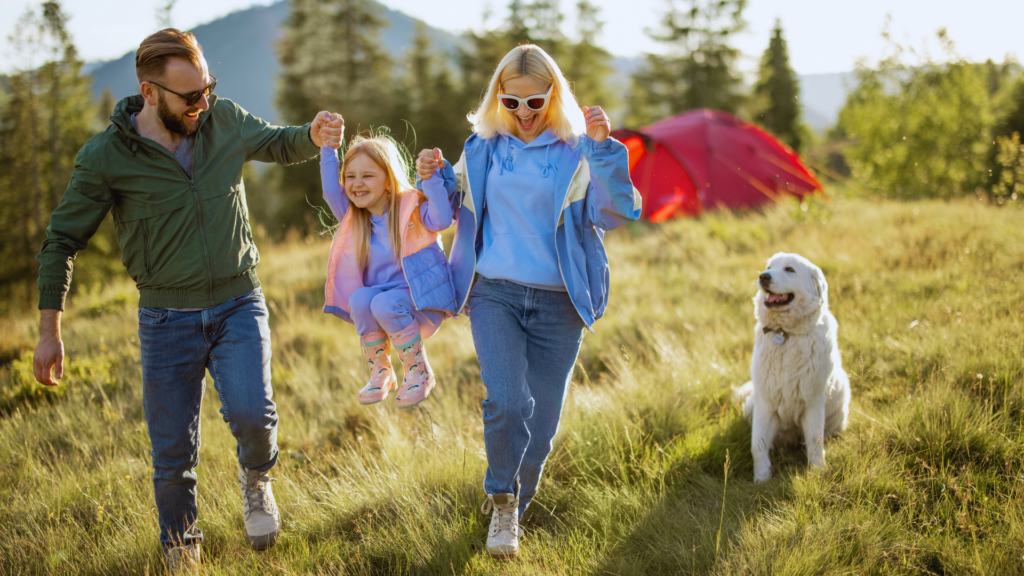
Camping offers families a unique opportunity to bond away from everyday distractions. Engaging with nature together fosters deeper connections, encourages teamwork, and creates lasting memories. Exploring the outdoors can also promote physical activity, highlighting the benefits of a healthier lifestyle for both children and adults.
The experience of camping can teach essential life skills, such as resourcefulness and adaptability. Families often learn to work together to set up tents, cook meals, and navigate unfamiliar territory. These shared challenges and triumphs can strengthen relationships and build a sense of resilience.
Additionally, camping provides a break from technology, allowing families to reconnect in a more meaningful way. Spending evenings around a campfire can lead to conversations that go beyond daily routines. This quality time can reinforce family values and deepen understanding among members.
The Benefits of Camping with Family
Camping together offers unique advantages that enhance relationships, encourage healthier lifestyles, and foster a deep appreciation for the outdoors. Engaging in outdoor activities as a family also contributes to mental well-being and stimulates curiosity through learning opportunities.
Strengthening Family Bonds
Camping provides a focused environment where families can connect away from daily distractions. Sharing responsibilities like meal preparation, campsite setup, and outdoor activities fosters teamwork. Each shared experience, from hiking to storytelling around a campfire, cultivates emotional closeness and lasting memories.
Participating in activities together encourages communication. Families can bond over challenges faced during camping, be it setting up tents or navigating trails. These shared experiences create a sense of unity, strengthening relationships in a meaningful way.
Contributing to Physical Health
Camping serves as an excellent way to enhance physical health for all family members. Engaging in outdoor activities promotes exercise, from hiking and biking to swimming and walking. The effort involved in setting up and maintaining a campsite also contributes to physical activity.
Exposure to fresh air and natural surroundings can lead to improved respiratory function and overall endurance. Spending time outdoors can reduce the risk of obesity, as it encourages active lifestyles. This combination of physical activity and fresh air creates lasting health benefits.
Encouraging Appreciation for Nature
Camping immerses families in nature, fostering a deep appreciation for the environment. Witnessing flora and fauna up close can spark curiosity about ecosystems, wildlife, and conservation. This firsthand experience often leads to a greater commitment to environmental stewardship.
Families can participate in nature-related activities, such as bird watching or star gazing. These experiences not only teach valuable lessons about nature’s wonders but also encourage responsible behaviors. Understanding the importance of protecting natural habitats becomes part of family values.
Promoting Mental Well-Being
Time spent in nature is beneficial for mental health. The serene environment of camping offers an opportunity to unwind and de-stress. Families can escape the pressures of daily life, enjoying the simplicity of nature as a calming backdrop.
Engaging in outdoor activities promotes mindfulness, helping family members to focus on the present moment. Activities like hiking or fishing can reduce anxiety and foster a sense of tranquility. Enhanced emotional well-being contributes positively to family dynamics.
Fostering Learning and Curiosity
Camping serves as a practical learning experience for children and adults alike. Families can engage in activities that promote skills such as navigation, cooking, and teamwork. Learning how to identify plants, track animals, or build a fire enhances curiosity and knowledge.
This hands-on approach to learning encourages questions and exploration. Families can dive into subjects like biology or geography in a real-world context, making education interactive. Encouraging children to observe and understand their surroundings can ignite a lifelong passion for learning.
Planning Your Family Camping Trip
Planning a family camping trip requires careful preparation to ensure comfort and safety for everyone involved. The following points cover essential aspects of camping, from choosing a campsite to meal preparation and handling unexpected weather conditions.
Choosing the Right Campsite
Selecting the ideal campsite is crucial for a successful trip. Families should consider proximity to facilities like restrooms and water sources. Privacy and accessibility are also significant; some sites may be more secluded, reducing noise but requiring a longer walk to amenities.
It’s beneficial to review campsite reviews and ratings online. Check for nearby activities such as hiking trails or fishing spots, which can enhance the experience. Make reservations early, especially during peak seasons, to secure preferred locations.
Preparing the Vehicle
After securing an appropriate campsite, attention naturally shifts to preparing the vehicle for the journey. Ensuring that the vehicle is road-ready not only prevents unexpected delays but also contributes to a safer and more comfortable trip. Routine checks, such as tyre pressure, oil levels, lights, and brakes, should be completed well in advance.
Additionally, for families travelling in a campervan or motorhome, verifying that all onboard systems are fully operational is especially important. This includes confirming that the battery is in good condition, the electrical wiring is safe, and the power-management setup is reliable for both travel and extended stays on-site.
To support this level of preparation, families may also need access to reliable parts and trustworthy information. Therefore, when sourcing components or seeking dependable guidance on electrical systems, exploring reputable sites such as rayneautomotive.co.uk can help identify suitable equipment to keep the camper functioning efficiently throughout the trip.
Packing Essentials for Comfort and Safety
Packing thoughtfully for a camping trip not only enhances comfort but also plays a crucial role in ensuring safety and peace of mind. It starts with selecting the right essentials, such as a sturdy, weather-appropriate tent that provides shelter from the elements. Pair it with insulated sleeping bags suited to the expected temperatures, and don’t forget sleeping pads or inflatable mattresses to add a layer of comfort between the body and the ground.
Equally important is a well-organized safety kit. A comprehensive first aid kit should include adhesive bandages, antiseptic wipes, pain relievers, tweezers, medical tape, and any personal medications. In areas where wildlife is common, it’s wise to bring along an animal deterrent spray for added protection.
Lighting is another key consideration. Whether it’s for moving in the dark or setting up camp after sunset, dependable lighting tools are a must. Each camper should have their own high-quality flashlight or headlamp. Brands like Fenix can offer durable options with long battery life and various brightness settings that are perfect for outdoor conditions.
Additional protective gear, such as insect repellent to keep bugs at bay and sunscreen to guard against harmful UV rays, helps prevent minor issues from turning into major discomforts. Altogether, having the right mix of gear creates a safer, more enjoyable camping experience for everyone involved.
Meal Preparation and Food Safety
Meal preparation is a vital part of camping. Families should plan meals in advance, focusing on easy-to-cook options that require minimal ingredients. Canned goods, pasta, and pre-marinated meats are good choices.
Storage is crucial for food safety. Use insulated coolers to keep perishable items fresh. Pack dry goods in airtight containers to prevent contamination. Additionally, always practice proper hygiene by washing hands before meals and using biodegradable soap for cleaning.
Activities and Entertainment
Engaging in activities can enhance the camping experience. Families should plan a mix of organized and spontaneous activities, such as hiking, fishing, or nature scavenger hunts. Games like frisbee or card games are great for downtime, providing a fun way to relax and connect. For those who enjoy strategy games, bringing along classic games or even a portable board game can be a fantastic option. For collectible card games, ensuring the valuable cards are protected is key, and high-quality MTG sleeves can help keep them in pristine condition even when traveling.
It’s also beneficial to bring along items that encourage creativity. A journal for documenting the trip or art supplies can provide entertainment and foster family bonding.
Preparing for Weather and Emergencies
Weather can be unpredictable, so preparation is essential. Families should check forecasts before departure and pack accordingly. Packing umbrellas, gumboots, and raincoats can be useful if the monsoon is around the corner. If it is a summer camp, consider carrying portable fans and light-weight clothing. Winter campaigns tend to call for thermal clothing, gears that help in heating for event tents, insulated heating pads, and many more.
An emergency plan should include a communication strategy. Families can list emergency contacts and locate the nearest medical facilities. Packing a portable phone charger can maintain communication during unexpected situations. Using whistles, maps and compasses can help in locating each other.
Camping Safety Tips
Safety is a vital consideration when planning a family camping trip. By being aware of wildlife, having first aid supplies on hand, and practicing fire safety, families can ensure a safer and more enjoyable outdoor experience.
Wildlife Awareness and Safety
Being in nature means encountering wildlife. Understanding animal behavior is crucial for safety.
- Store Food Properly: Use bear-proof containers where applicable. This prevents attracting animals to the campsite.
- Keep a Safe Distance: Observe wildlife from afar. Never approach or feed animals.
- Know the Local Species: Familiarize with dangerous animals like bears, snakes, and insects specific to the camping area.
Educate all family members about what to do in case of an encounter. Carry bear spray if camping in bear territory and stay calm if they are sighted.
First Aid Knowledge and Supplies
Every camper should have basic first-aid knowledge. Accidents can happen, so preparation is key.
- First Aid Kit: Include adhesive bandages, antiseptic wipes, gauze, and pain relievers. Consider adding specific items for allergies or pre-existing conditions.
- Basic Skills: Family members should learn how to treat minor injuries like cuts and insect bites. Knowing how to perform CPR can be life-saving.
- Emergency Contacts: Keep a list of emergency numbers and nearest medical facilities.
Review the first aid kit contents before departing and restock any used items during the trip.
Fire Safety and Prevention
Open flames are a significant risk when camping. Proper precautions can prevent accidents.
- Fires in Designated Areas: Always build fires in established fire rings. Avoid starting fires during windy conditions.
- Keep Water Nearby: Have a bucket of water or sand beside the fire for quick extinguishing if needed.
- Extinguish Completely: Always put out the fire before leaving the campsite or going to bed. Ensure it is cool to the touch.
Teach all family members to fire safety rules, including keeping flammable items away from the fire and knowing when to seek help for serious flames.
Environmental Considerations
Camping offers opportunities to connect with nature. Responsible outdoor ethics are essential for preserving the environment and fostering a sustainable camping culture. Key practices include minimizing waste and protecting natural habitats.
Practicing Leave No Trace Principles
Leave No Trace principles emphasize minimizing human impact on the environment while enjoying the outdoors. These guidelines consist of seven core principles:
- Plan ahead and prepare: Reduce risk by researching the area and preparing for conditions.
- Travel and camp on durable surfaces: Stick to established trails and campsites to prevent soil erosion.
- Dispose of waste properly: Pack out all trash, leftover food, and waste to keep the environment clean.
- Leave what you find: Avoid disturbing artifacts and plants; take only photos.
- Minimize campfire impact: Use a stove for cooking. If fires are allowed, use established fire rings.
- Respect wildlife: Observe animals from a distance. Never feed them.
- Be considerate of other visitors: Keep noise levels down and respect fellow campers’ experiences.
Adhering to these principles helps protect natural resources and preserves the enjoyment of outdoor spaces for future visitors.
Respecting Wildlife and Natural Habitats
Respecting wildlife and natural habitats is crucial when camping. Interactions with wildlife should always prioritize safety for both visitors and animals.
- Observe from a distance: Use binoculars for wildlife watching instead of approaching animals.
- Never feed wildlife: This can disrupt their natural behavior and lead to dependency on human sources for food.
- Know local regulations: Many parks have specific guidelines regarding wildlife interactions. Familiarizing oneself with these rules supports conservation efforts.
Additionally, visitors should tread lightly in sensitive areas, such as nesting sites or fragile ecosystems. Avoid stepping on vegetation and stick to established pathways to limit damage. Recognizing and respecting the needs of wildlife preserves the delicate balance of ecosystems, ensuring healthier environments for wildlife and humans alike.
Creating a Memorable Experience
Camping offers families a unique chance to bond and create lasting memories. Engaging in educational activities, capturing moments through photography, and enjoying unplugged entertainment can enhance this experience.
Incorporating Educational Activities
Incorporating educational activities during camping can enrich the experience for all family members. Activities such as nature hikes can be turned into lessons on local flora and fauna. Using apps or field guides, families can identify plants, animals, and insects along the way.
Setting up a small campfire talk can encourage discussions about the environment and conservation. Children can learn by participating in activities like star-gazing with a telescope, which teaches them about astronomy.
Workshops on building shelters or starting a fire can build valuable skills while emphasizing teamwork. These activities not only educate but also foster curiosity, making the camping experience both fun and informative.
Capturing Moments with Photography
Photography plays an essential role in preserving family camping memories. By encouraging family members to take photos, it fosters creativity and engagement with the surroundings. Each person can document their perspective, offering unique viewpoints.
Families can create themed photo challenges, such as capturing wildlife, landscapes, or campfire moments. Not only does this encourage exploration, but it also enhances camaraderie through shared experiences.
Creating a scrapbook or digital album after the trip can add a layer of nostalgia. Visual reminders of shared adventures enhance the family bond long after the camping trip concludes.
Embracing Unplugged Entertainment
Unplugging from electronic devices during camping can lead to deeper connections. Families can enjoy traditional games like charades or card games by the fire, fostering teamwork and laughter.
Storytelling around the campfire can be a memorable highlight. Allowing each family member to share personal tales or create fictional stories can spark imagination and build connections.
Exploring the outdoors can also serve as entertainment. Organizing scavenger hunts or nature bingo encourages exploration and appreciation of the environment. These activities promote a hands-on learning experience, allowing family members to enjoy the simplicity of nature together.