
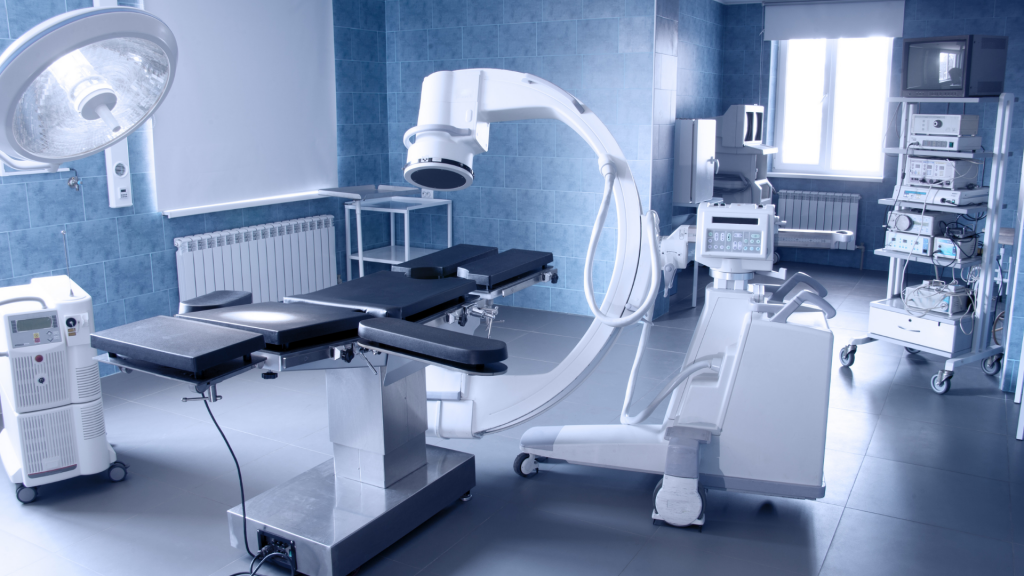
The task of maintaining safety with medical equipment like ventilators, MRI machines, bandages, syringes, and syringe needles is faced by many at all levels of health care. As a nurse and a health educator, I’ve seen just how quickly patient safety can be compromised. I’ve had numerous instances of a bandage not sticking or getting wrapped around the wrong part of the patient, leading to an unsafe situation. It’s scary, but I’ve learned the importance of many basic precautions, from the basics of gauze, tape, and needle safety to how to handle latex allergies.
When an individual suffers a serious injury, they want to know that the equipment they are using is working to its full potential. However, some of this equipment may be a little outdated or may not be completely capable of performing at its best. For example, if the MRI machine fails to function properly due to some part failure, it could cause serious harm to a patient’s health. That is why it is every hospital’s responsibility to maintain contact with suppliers who can not only provide medical equipment but also their parts, such as Cummins Solenoids, when needed.
This blog aims to examine the current industry trends when it comes to medical equipment and discusses the possible ways to maintain the overall quality of this equipment so the patient can receive the best possible care. This blog will discuss high-quality medical equipment, the common maintenance practices, and the realities of the medical equipment industry. This blog will also discuss the medical equipment that is made specifically for the medical industry. Here’s how to maintain safety with medical equipment.
- Know the Baselines and Methodologies
The value of keeping a record of your health is often overlooked. Not only do you need to keep track of your own body accurately, but you should also keep an eye on your family members. Usually, health records are filed away in a drawer. It is important to keep them updated and accessible. In hospitals, the COS ratio is used to determine the amount of money spent on investments such as health care equipment and supplies and staffing productivity. In health care facilities, the COS ratio is used to compare the costs of a new health care equipment with the average cost of owning and operating that equipment. In this case, the COS ratio is used to compare the cost of purchasing new medical equipment with the average cost of maintaining that equipment.
- Make an Inventory
When you think of performing an inventory, you probably picture a process where you walk through all of a building’s rooms. But such a comprehensive and time-consuming process is unnecessary if you perform an inventory of small workspaces-such as the office cubicle or bedroom. And let’s face it, if you’re going to perform an inventory, you might as well do it right.
Many medical facilities want to maintain a safe and efficient work environment, but they are often unsure of how to go about doing so. For example, they may not properly classify or track medical supplies or equipment. They may not even be sure what supplies or equipment they need to purchase. To address these challenges, it’s crucial for medical facilities to have a clear understanding of their requirements when it comes to medical supplies and safety equipment. This includes safety supplies like bandages, cotton, scalpels and safety gloves, which are essential for healthcare professionals to protect themselves and their patients. For dependable safety gear, many turn to Unigloves: The Choice for Healthcare, a trusted provider of high-quality safety gloves and equipment. Having the right supplies on hand and promoting safety practices can lead to a more efficient and secure work environment, ultimately improving productivity and patient care.
Maintaining safety with medical equipment goes beyond just purchasing new devices. Healthcare facilities often face budget constraints, and it’s worth exploring cost-effective options like refurbished equipment to maximize resources. Such equipment can offer a viable solution for healthcare institutions looking to balance quality and cost-effectiveness. Buying refurbished medical equipment for your inventory can be a smart move. It allows you to stretch your budget while still maintaining the safety and functionality of essential medical tools. Just like with new equipment, it’s crucial to analyze the program and ensure that refurbished equipment aligns with your healthcare facility’s needs and safety standards.
Unfortunately, some types of medical equipment can be dangerous if used improperly. If you’ve ever used a set of forceps or a scalpel, you know how important it is to use them in a sterile environment and that you need to follow proper safety procedures.
- You need to Analyze the Program
Recently, there has been a major shift towards the use of computer systems in healthcare, which is a positive sign for the future of the field. As healthcare systems move towards electronic records, the need for software products that can help physicians and nurses keep their records and collaborate with other healthcare providers is becoming increasingly noticeable. Did you know that medical equipment is an effective way to improve your well-being? Medical equipment can help you stay safe and active and help you maintain your health.
When you start working on an instrument that you’ll use for the rest of your life, you don’t just play around with the strings or blow on it. An instrument is a tool that you are supposed to use to excel, and a tool that you are supposed to take care of to ensure that it works as intended. In most cases, medical equipment is designed with detailed research (perhaps with the help of experts at http://www.idrmedical.com/) and proper testing, so you may not encounter any serious problems. But if you feel the current equipment has any major issues, you can discuss them with the manufacturer so that they can improve it.