
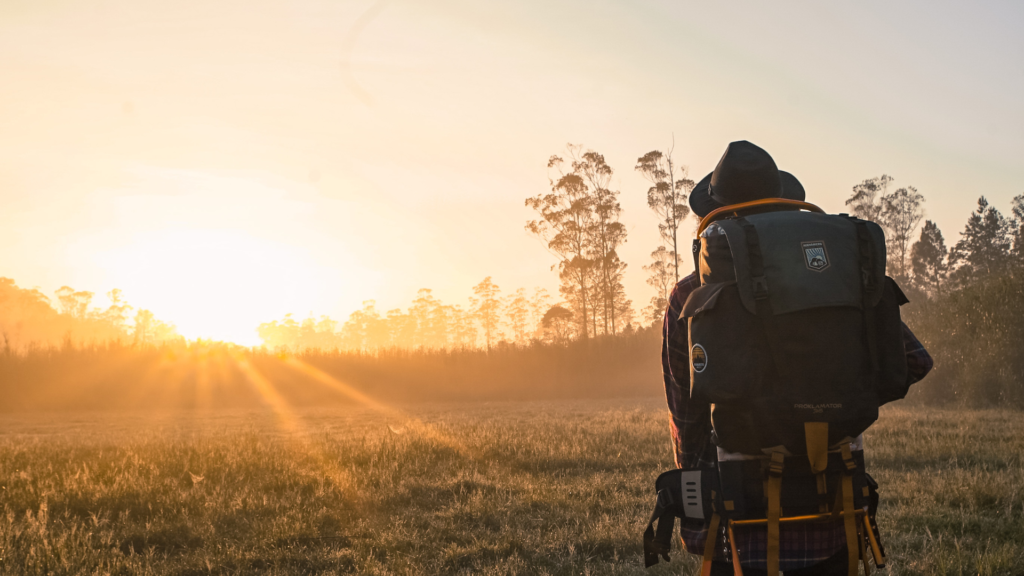
Backpacking through Europe can be an exhilarating experience filled with adventure and discovery. To ensure a smooth journey, having the right gear is essential. A comprehensive Europe backpacking checklist will help travelers pack efficiently and avoid unnecessary stress on the road.
From clothing suitable for various climates to travel documents and essential electronics, each item plays a crucial role in the journey. Packing light yet smart allows for more flexibility and enjoyment while exploring diverse cultures and landscapes.
Travelers who take the time to prepare a thoughtful checklist can focus on immersing themselves in their surroundings rather than worrying about what they might have forgotten. By organizing their packing ahead of time, they can set the stage for an unforgettable European adventure.
Planning Your Trip
Effective trip planning is crucial for a successful backpacking adventure. This involves setting a budget, choosing destinations, understanding visa requirements, and mapping a route. Each step demands careful consideration to ensure a fulfilling experience.
Determining Your Budget
Setting a budget is a foundational aspect of trip planning. Travelers should consider various expenses such as accommodation, transportation, food, attractions, and activities.
A sample budget breakdown is as follows:
| Expense Category | Estimated Cost |
| Accommodation | $30–$100/night |
| Meals | $15–$50/day |
| Transportation | $10–$50/day |
| Activities | $5–$100 |
| Miscellaneous | $50 |
It’s vital to build a buffer for unexpected costs. This foresight can reduce stress during the trip.
Choosing Your Destinations
Selecting destinations requires interest and convenience. Travelers should consider factors such as safety, culture, and activity availability. Popular backpacking spots in Europe include:
- Spain: Known for vibrant cities and stunning beaches.
- Italy: Offers rich history and exceptional cuisine.
- Greece: Famous for its islands and ancient ruins.
Creating a list of must-see places helps visualize the trip. Maintaining flexibility in the itinerary allows for spontaneous discoveries during the journey.
Researching Visa Requirements
Understanding visa regulations is essential for smooth travel. Many European countries are part of the Schengen Area, which allows passport holders from certain countries to visit for up to 90 days without a visa.
Key points to consider:
- Visa Exemptions: Check if your nationality requires a visa.
- Application Process: Research necessary documentation if a visa is needed.
- Entry Rules: Stay informed about any COVID-19 restrictions or travel advisories.
This proactive approach minimizes travel interruptions.
Mapping Your Route
Strategically mapping the route optimizes travel efficiency. Use mapping tools and apps to connect destinations.
Factors to consider include:
- Transportation Options: Research trains, buses, and rideshares.
- Distance Between Locations: Recognize travel times to avoid fatigue.
- Sightseeing Opportunities: Include attractions along the route.
Creating a clear route ensures travel flows smoothly, enhancing the overall experience. Make adjustments as needed for comfort and spontaneity.
Packing Essentials
When preparing for a backpacking trip in Europe, the right gear can significantly enhance the experience. Focus on selecting an appropriate backpack, essential clothing, useful gadgets, and health necessities.
Backpack Selection
Choosing the right backpack is crucial for comfort and practicality. A pack between 40 to 60 liters is recommended for a balance between space and weight. It’s essential to have adjustable straps and a padded back for comfort during long treks. Look for functionality with compartments for easy access to items.
Considerations for Backpack Selection:
- Weight: Aim for a lightweight design to keep burdens low.
- Fit: Ensure it fits well to prevent strain.
- Water Resistance: Look for materials that protect contents from rain.
Clothing for Various Climates
Europe’s climate can vary widely, so packing adaptable clothing is important. Layering is key; start with moisture-wicking base layers, followed by insulating mid-layers, and finish with a waterproof outer layer.
Key items include:
- T-shirts and Long-sleeves: Versatile base choices.
- Fleece or Down Jacket: Offers warmth.
- Travel Pants or Quick-Dry Shorts: Practical for various conditions.
- Comfortable Walking Shoes: Essential for navigating cities and trails.
Accessories:
- Scarves or Buffs: Offer warmth and protection from wind.
- Hat and Sunglasses: Useful for sun protection.
Essential Gadgets
Having the right gadgets can enhance convenience and safety while traveling. A portable charger is crucial to keep devices powered.
Key gadgets include:
- Universal Travel Adapter: Necessary for charging devices in multiple countries.
- Compact Camera or Smartphone: To capture memories effortlessly.
- GPS Device or Offline Maps: Useful in areas with poor connectivity.
Consider adding:
- Noise-Canceling Headphones: For bus or train rides.
- Travel Pillow: To improve comfort during long journeys.
Toiletries and Health Items
Packing essential toiletries and health items ensures comfort and hygiene on the trip. Travel-sized toiletries help save space. Key items to include are toothpaste, biodegradable soap, and a compact towel.
Health Essentials:
- First Aid Kit: Include band-aids, antiseptic wipes, and any personal medications.
- Sunscreen and Lip Balm: Protect against harsh weather conditions.
Additional Considerations:
- Hand Sanitizer: Important for maintaining hygiene on the go.
- Insect Repellent: Useful in rural areas or during warm months.
Accommodations and Transport
Choosing suitable accommodations and transportation options is essential for a successful backpacking trip in Europe. This section focuses on effectively booking places to stay and navigating various transport methods.
Booking Hostels and Hotels
Hostels offer budget-friendly choices that foster social interactions. Websites such as Hostelworld and Booking.com allow for easy comparisons of prices, amenities, and user reviews.
When selecting a hostel or hotel, consider the following factors:
- Location: Proximity to public transport, attractions, and safety.
- Facilities: Access to kitchens, Wi-Fi, lockers, and social areas.
- Reviews: Gauge the experiences of past guests for better insights.
Flexibility in booking can yield savings. Many hostels and hotels offer free cancellation policies, allowing travelers to adjust plans without penalties.
Navigating Public Transport
Europe has an extensive and efficient public transport system. Major cities offer options like buses, trams, and metro services.
A few tips for navigating:
- Purchase Transit Passes: Many cities provide day or multi-day passes that simplify travel.
- Use Apps: Download transportation apps like Citymapper or Google Maps to plan routes and check schedules.
- Familiarize with Local Systems: Understanding the differences can save time.
Language barriers may arise, but signs are often multilingual. Being aware of peak hours can improve the travel experience by avoiding overcrowded services.
Car Rentals and Ride-Sharing
Renting a car provides flexibility to explore remote destinations. Major rental companies like Hertz and Avis operate in most countries.
Key considerations include:
- Comparison Sites: Use platforms like Kayak or Rentalcars.com to find the best deals.
- Documentation: Ensure to have a valid driver’s license and credit card for deposits.
- Insurance: Understand the insurance options provided by the rental company for coverage against damage.
For those preferring not to drive, ride-sharing services such as Uber or Bolt are available in many cities. They present a convenient option for short distances or late-night travel.
Safety and Security
Prioritizing safety and security during backpacking trips in Europe is essential. Taking proactive measures can help mitigate risks and ensure a smoother journey.
Protecting Valuables
When backpacking, protecting valuables is crucial. Travelers should keep their passports, cash, and credit cards secured and easily accessible in a money belt or hidden pouch.
Helpful tips include:
- Use zippers and locks: Choose bags with zippers and consider using luggage locks.
- Keep a copy of important documents: Store copies of passports and important documents in a separate location.
- Utilize hotel safes: Whenever possible, use hotel safes for storing valuables while exploring.
Staying aware of surroundings also helps to prevent theft. Travelers should avoid displaying expensive items and be cautious in crowded areas.
Travel Insurance Information
Travel insurance is a vital component of any backpacking trip. It provides coverage for unexpected events, including illness, injury, or theft.
Key points to consider:
- Policy coverage: Ensure the policy covers medical emergencies, trip cancellations, and lost luggage.
- Adventure activities: For those planning on engaging in activities like hiking or biking, confirm that those activities are included in the coverage.
- Purchase before departure: Buying insurance as soon as the trip is booked offers the best protection.
Comparing policies from different providers is advisable to find one that suits specific travel needs.
Emergency Contacts and Procedures
Having a list of emergency contacts and knowing procedures can significantly enhance safety while traveling.
Essential information includes:
- Local emergency numbers: Familiarize oneself with local emergency services, such as police, medical, and fire services, which often differ by country.
- Embassy contact: Record contact information for the nearest embassy or consulate, they can assist in emergencies, such as lost passports or legal issues.
- Health information: Know the location of nearby hospitals and clinics for quick access in case of medical emergencies.
Keeping this information close at hand can help travelers respond swiftly to incidents, ensuring better security during their journey.
Cultural Considerations
Understanding cultural norms can enhance the travel experience in Europe. Recognizing etiquette, language basics, and currency practices will help travelers navigate their surroundings confidently.
Etiquette and Customs
Travelers should familiarize themselves with local customs to show respect. For instance, in Italy, greetings typically begin with a handshake, while in France, a light kiss on the cheek is common among acquaintances.
Dining etiquette varies significantly; in Spain, dining hours are later than in many countries, with dinner starting around 9 PM. Tipping practices also differ; in some countries, like Germany, rounding up the bill is sufficient, while in France, a service charge is included but additional tips are appreciated for good service.
Language Basics
Learning a few key phrases in the local language can greatly improve interactions. Simple greetings like “Hello” and “Thank you” are essential. For example:
- Spanish: “Hola” (Hello), “Gracias” (Thank you)
- French: “Bonjour” (Hello), “Merci” (Thank you)
- German: “Hallo” (Hello), “Danke” (Thank you)
While English is widely spoken in tourist areas, making an effort to communicate in the local language is often appreciated and can lead to more authentic experiences.
Local Currency and Money Handling
Most European countries use the Euro, but some, like the UK and Switzerland, have their own currencies. Familiarity with local money is essential for smooth transactions.
Travelers should be aware of the following tips:
- ATM Withdrawals: Use ATMs associated with major banks for better exchange rates.
- Payment Methods: Credit cards are widely accepted, although some markets may only take cash.
- Currency Exchange: Avoid exchanging money at airports, as rates are generally poor.
Having a small amount of local currency for small purchases can enhance the shopping experience.
Food and Dining
Eating well while backpacking through Europe can enhance the travel experience significantly. Knowing what to expect in terms of local cuisine, food safety, and hydration methods is essential for any traveler.
Discovering Local Cuisine
Europe offers a rich tapestry of culinary experiences. From French pastries to Italian pasta and Spanish tapas, each country has unique dishes that reflect its culture. Travelers should seek out local markets and street food stalls to get an authentic taste of the region.
Key regional specialties can be enjoyed at various eateries:
- Italy: Try pizza and gelato.
- France: Sample croissants and coq au vin.
- Spain: Don’t miss paella and churros.
Researching local customs regarding dining, such as meal times and etiquette, can also enhance the experience.
Food Safety Tips
Food safety is crucial while traveling. Backpackers should prioritize eating at busy places, as high customer turnover often indicates fresher food. When consuming street food, they should watch for cleanliness and the vendor’s reputation.
Travelers must also stay informed about food allergies or intolerances. Using translation apps can help communicate dietary needs. Carrying hand sanitizer ensures cleanliness before meals, especially in outdoor settings.
Storing food securely is essential. Using resealable bags or containers protects against pests and spoilage, particularly when exploring remote areas.
Water Purification Methods
Staying hydrated is crucial during travel. While tap water is safe in many European countries, travelers should confirm local regulations. In areas with questionable water quality, purification methods can safeguard health.
Options include:
- Boiling: Bringing water to a rolling boil for one minute kills most pathogens.
- Filters: Portable water filters effectively remove bacteria and protozoa.
- Chemical tablets: Using iodine or chlorine tablets can purify water in a pinch.
Travelers should carry a refillable water bottle to minimize waste and ensure access to clean drinking water.
Connectivity
Staying connected while backpacking in Europe is essential for navigation, communication, and accessing information on the go. Understanding mobile data options, WiFi availability, and ways to keep in touch with family can enhance the travel experience.
Mobile Data and SIM Cards
Purchasing a local SIM card can provide affordable mobile data throughout Europe. Many countries offer prepaid options that cater to travelers, with stores commonly found at airports and city centers.
It’s important to check the compatibility of your phone with local networks. Popular options include:
- Orange: Available in several countries, known for good coverage.
- Vodafone: Offers competitive prepaid plans across Europe.
- Three: Known for its extensive roaming plans in multiple countries.
Travelers should compare data packages and confirm activation procedures. Some SIM cards allow for unlimited data while roaming within EU member states, making them convenient for multi-country itineraries.
WiFi Accessibility
WiFi hotspots are widely available in Europe, especially in urban areas. Most cafes, restaurants, and public spaces offer free access, making it easy to stay online. Many hostels and hotels also provide complimentary WiFi for guests.
Tips for finding WiFi:
- Apps: Some applications help locate free WiFi nearby.
- WiFi Map: A crowdsourced tool that shares passwords for various locations.
- Local Libraries: Many libraries provide free internet access.
Travelers should exercise caution with public networks. Using a VPN can protect personal information when connecting to unfamiliar WiFi systems.
Keeping in Touch with Family
Regular communication with family can offer peace of mind while traveling. Smartphone apps like WhatsApp, Viber, and FaceTime facilitate easy conversations over WiFi or data.
Setting scheduled times for calls can help maintain connections without interrupting travel plans. Tips for staying in touch:
- International Calling Plans: Explore options if frequently needing voice calls.
- Postcards and Emails: More traditional methods can also keep those at home updated.
- Social Media: Platforms like Instagram or Facebook serve as visual updates for friends and family.
Backup plans, such as texting or using an international SIM if data is spotty, can enhance communication reliability.
Packing for Activities
When backpacking through Europe, specific activities require tailored packing choices. It’s essential to prepare adequately for various environments, from rugged outdoor settings to urban adventures and coastal leisure.
Outdoor and Adventure Gear
For outdoor activities, he or she must prioritize gear that supports comfort and safety. Key items include:
- Hiking Boots: Waterproof, durable, and supportive shoes are critical for trekking across varied terrains.
- Lightweight Backpack: A pack with hydration capability and multiple compartments enhances convenience.
- Clothing Layers: Quick-dry materials and temperature-regulating layers cater to changing weather conditions.
- Essential Gear: A multi-tool, first aid kit, compass, and portable charger should be included for emergencies.
Packing versatile outdoor attire ensures readiness for hikes, climbs, and nature explorations.
Urban Exploration Necessities
Exploring cities in Europe requires a different set of essentials. Travelers should consider these items:
- Comfortable Walking Shoes: Breathable and cushioned footwear supports long days on foot.
- Compact Daypack: A small bag can carry personal items and maps without being cumbersome.
- Travel Umbrella: This prepares for sudden rainstorms common in many European cities.
- Portable Phone Charger: Keeping devices charged is crucial for navigation and communication.
He or she should also add city maps or download local apps for comprehensive exploration.
Beach and Coastal Must-Haves
Packing for beach outings involves different necessities. Important items include:
- Swimwear: A suitable swimsuit or trunks are essential for beach activities.
- Beach Towels: Lightweight, quick-dry towels help reduce bulk in the backpack.
- Sunscreen: SPF protection is key to preventing sunburn while enjoying outdoor relaxation.
- Flip Flops: Footwear that is easy to slip on and off adds convenience when walking on sand.
Including these items ensures a comfortable and enjoyable beach experience.
Sustainability Practices
Many travelers seek to reduce their environmental footprint while exploring Europe. Sustainable backpacking involves minimizing impact, supporting local communities, and choosing eco-friendly products. Focusing on these areas can enhance the travel experience while contributing positively to the destinations visited.
Minimizing Environmental Impact
Reducing waste is crucial for sustainable travel. Backpackers should opt for reusable items such as water bottles, utensils, and bags. This practice not only cuts down on single-use plastics but also saves money.
When possible, travelers should use public transportation. Biking or walking not only helps reduce emissions but also provides a more intimate experience with the surroundings. Choosing eco-friendly accommodations, like hostels that practice sustainability, can further minimize environmental impact.
Before visiting natural sites, it’s essential to familiarize oneself with local guidelines. This can include staying on marked paths, respecting wildlife, and adhering to waste disposal rules. Engaging in these practices preserves the beauty of the landscape for future travelers.
Supporting Local Economies
Traveling sustainably means prioritizing local businesses. Eating at local restaurants, buying souvenirs from artisans, and using services from local guides can significantly benefit communities. This not only supports the economy but also enriches the travel experience.
Backpackers should engage in cultural exchanges. Participating in local events or workshops fosters community relationships and helps travelers gain deeper insights into the culture. Supporting local farmers’ markets is another way to contribute, as it promotes fresh, locally sourced goods.
Building connections with locals also allows for authentic experiences. Conversations can reveal hidden gems in terms of food, sights, and activities that typical tourists might miss.
Eco-Friendly Products
Travelers have many options when it comes to eco-friendly products. Selecting biodegradable toiletries reduces plastic waste and environmental harm. Brands that offer refillable containers for shampoo, conditioner, and soap can minimize packaging.
Clothing made from sustainable materials, like organic cotton or recycled polyester, is also a good choice. They are often designed to be durable, reducing the need for frequent replacements.
Packing light can lead to less fuel consumption during transportation. Prioritizing versatile clothing that can be worn in various settings helps keep luggage manageable. By making informed choices, backpackers can promote sustainability while enjoying their travels.
Health and Wellness
Traveling can take a toll on physical and mental well-being. Being prepared for health-related issues can enhance the travel experience significantly. This section outlines ways to stay active, manage jet lag, and access medical facilities while backpacking in Europe.
Staying Active While Traveling
Maintaining an exercise routine while traveling keeps energy levels high. Walk as much as possible; cities are often best explored on foot. Utilize local parks for running or join a yoga class to engage with locals.
In addition, consider packing portable fitness gear like resistance bands or a jump rope. These items take up minimal space and can be used for quick workouts in accommodations.
Aim for at least 30 minutes of activity daily. This not only supports physical health but also improves mood and focus during the trip.
Dealing with Jet Lag
Jet lag occurs when traveling across time zones, disrupting circadian rhythms. To minimize its impact, travelers should gradually adjust their sleep schedules before departure. For example, if traveling east, try sleeping earlier a few nights prior.
Once at the destination, adapt quickly by spending time outdoors in natural light. Hydration is also crucial, so drink plenty of water throughout the journey. Caffeine intake should be limited, especially in the afternoon.
Short naps can help, but limit them to 20-30 minutes to avoid further disruption. A consistent sleep schedule in the days following arrival can also assist with adjustment.
Accessing Medical Facilities
Understanding how to access medical care in Europe is vital for backpackers. Most European countries have public healthcare systems that can be accessed with proper identification, like a European Health Insurance Card (EHIC) for EU travelers.
Travelers should know the location of nearby hospitals or clinics in advance. Mobile apps can assist in finding local medical centers.
Travel insurance is recommended and often includes coverage for medical emergencies. Always carry a basic first-aid kit containing essentials like band-aids, antiseptic wipes, and common medications. Protecting health helps ensure a safe and enjoyable travel experience.