
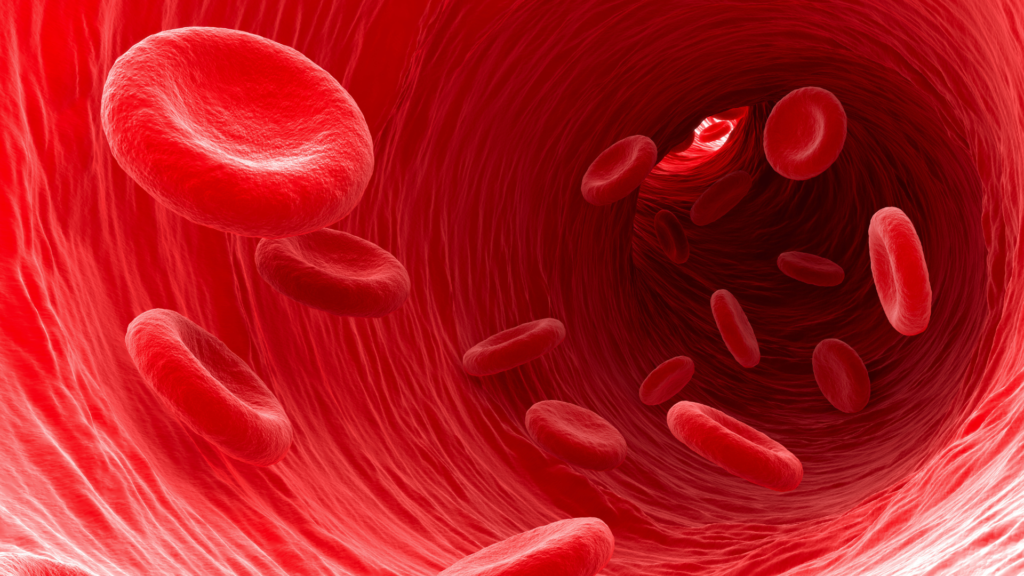
Improving circulation is essential for overall health, affecting energy levels, digestion, and even skin appearance. Poor blood flow can lead to discomfort and more serious health issues over time. Simple lifestyle changes like regular exercise, staying hydrated, and maintaining a balanced diet are some of the most effective ways to boost circulation naturally.
Incorporating movement throughout the day, avoiding prolonged sitting, and managing stress all play key roles in supporting healthy blood flow. These strategies not only enhance circulation but contribute to long-term cardiovascular health as well. Understanding and applying these methods can make a noticeable difference in how your body feels and functions daily.
Understanding Circulation
Circulation is the process that delivers oxygen, nutrients, and waste removal throughout the body. It involves multiple systems working together to maintain cellular function and overall physical health.
What Is Blood Circulation?
Blood circulation is the continuous movement of blood through the heart, arteries, veins, and capillaries. The heart pumps oxygen-rich blood via arteries to tissues and organs. Veins then return oxygen-depleted blood back to the heart and lungs for reoxygenation.
This closed-loop system supports vital functions like temperature regulation and immune response. Blood vessels vary in size and structure, from large arteries to tiny capillaries, each playing a specific role in efficient blood delivery.
How Circulation Affects Overall Health
Proper circulation ensures that cells receive enough oxygen and nutrients to function. It also aids in removing carbon dioxide and metabolic waste products.
When circulation is effective, it supports energy levels, skin health, and organ function. Poor circulation can impair healing, increase the risk of infections, and contribute to chronic conditions like heart disease or peripheral artery disease.
Lifestyle factors such as diet, exercise, and smoking directly influence circulation efficiency.
Common Symptoms of Poor Circulation
Common signs of poor circulation include cold or numb extremities, swelling, and fatigue. You might also notice discoloration of the skin or slow-healing wounds.
Other symptoms can involve muscle cramps and a feeling of heaviness in the limbs. Persistent poor circulation can cause complications such as varicose veins or blood clots, requiring medical attention.
Lifestyle Changes to Improve Circulation
Improving circulation often involves adjustments to daily habits. Focus on nutrient-rich foods, adequate fluid intake, and reducing substances that can constrict blood vessels or impair vessel health.
Healthy Diet for Better Blood Flow
A diet rich in fruits, vegetables, whole grains, and lean proteins supports blood vessel health. Foods like leafy greens, berries, and fatty fish contain antioxidants and omega-3 fatty acids, which help reduce inflammation and prevent arterial stiffness.
Limit saturated fat and trans fat intake, as these can lead to plaque buildup and reduced circulation. High-salt foods may increase blood pressure, straining your circulatory system. Incorporate foods rich in vitamins C and E to protect vessel walls.
Eating smaller, frequent meals instead of large meals can also prevent sudden blood flow reduction to extremities after eating.
Staying Hydrated
Proper hydration keeps blood less viscous and easier to circulate. Aim for at least 8 cups (about 2 liters) of water daily, adjusting for activity level and climate.
Dehydration causes blood to thicken, increasing resistance in the vessels. It can also lower blood pressure, triggering compensatory narrowing of blood vessels and reducing overall flow.
Avoid excessive consumption of caffeine or sugary drinks, as they can promote dehydration or blood sugar spikes, negatively impacting circulation.
Limiting Alcohol and Tobacco Use
Alcohol in moderation may have some cardiovascular benefits, but excessive intake constricts blood vessels and increases blood pressure. Over time, this damages the vessel lining and reduces effective circulation.
Tobacco use is a major cause of vascular disease. Nicotine constricts blood vessels and promotes plaque buildup. It also reduces oxygen content in the blood, impairing tissue oxygenation.
Quitting smoking and limiting alcohol intake support healthier vessel function and better oxygen and nutrient delivery throughout the body.
Physical Activity and Movement
Improving blood flow depends largely on consistent movement and targeted exercise. Specific activities enhance heart efficiency, promote vessel flexibility, and stimulate circulation in different body parts.
Benefits of Regular Exercise
Exercise increases heart rate, which pumps more blood throughout the body. This delivers oxygen and nutrients to tissues faster and supports waste removal.
Regular physical activity also strengthens the heart muscle and improves arterial elasticity. This reduces the risk of blood clots and manages blood pressure effectively.
Additionally, exercise triggers the release of nitric oxide, which dilates blood vessels. This improves blood flow and reduces resistance inside arteries.
Best Exercise Types for Circulation
Aerobic exercises like walking, jogging, and cycling elevate heart rate steadily. These are ideal for improving overall circulation.
Strength training supports venous return by exercising muscles that assist blood flow back to the heart. Examples include weight lifting and resistance band workouts.
Stretching and yoga improve vascular flexibility and reduce muscle tension that could restrict blood flow. They also enhance lymphatic circulation.
A balanced routine combining aerobic, strength, and flexibility exercises yields the most comprehensive circulation benefits.
Incorporating Movement Into Daily Life
Simple lifestyle changes can boost circulation without structured workouts. Standing or walking breaks every 30 minutes counteract blood pooling from prolonged sitting.
Using stairs instead of elevators and parking farther away encourages incidental movement. These small actions increase daily physical activity.
Desk exercises such as ankle pumps, leg lifts, and shoulder rolls stimulate lower limb and upper body blood flow during work hours.
Setting reminders or using activity trackers can help maintain consistent movement throughout the day.
Therapeutic Techniques for Circulation
Certain targeted treatments can directly enhance blood flow and improve vascular health. These methods focus on stimulating circulation through physical manipulation or external support.
Massage Therapy
Massage therapy increases circulation by applying pressure and movement to muscles and soft tissues. This mechanical action helps dilate blood vessels, allowing blood to flow more freely.
Specific techniques like Swedish massage and deep tissue massage promote oxygen delivery and nutrient exchange within tissues. Massage also helps reduce muscle tension, which can restrict blood flow.
Regular sessions may ease symptoms related to poor circulation, such as swelling and stiffness. It is important to tailor the pressure and method to individual needs, especially for those with vascular conditions.
Compression Garments
Compression garments apply controlled pressure to limbs, aiding the return of blood toward the heart. They improve the function of veins and reduce venous pooling.
Commonly used for conditions like varicose veins and chronic venous insufficiency, these garments come in varying compression levels measured in millimeters of mercury (mmHg).
Key points to consider:
- Proper fit ensures effective pressure without discomfort
- Gradual compression – highest at the ankle, decreasing upwards
- Recommended for use during prolonged standing or sitting
Wearing compression socks or sleeves can significantly lower the risk of blood clots and swelling. It’s advisable to consult with a healthcare professional to determine the appropriate compression strength.
Medical Interventions and Supplements
Improving circulation often requires targeted measures beyond lifestyle changes. Both pharmaceutical treatments and specific supplements can support blood flow and vascular health.
Medications for Poor Circulation
Medications prescribed for poor circulation focus on improving blood flow and preventing complications. Anticoagulants like warfarin and heparin reduce blood clot formation, lowering the risk of blockages.
Vasodilators, such as cilostazol and pentoxifylline, enlarge blood vessels to ease circulation, especially in cases of peripheral artery disease (PAD). These drugs may improve symptoms like leg pain during walking.
In some instances, cholesterol-lowering drugs (statins) are used to reduce arterial plaque buildup, indirectly enhancing blood flow. It is essential to use these medications under medical supervision to manage side effects and interactions.
Vitamins and Natural Supplements
Certain vitamins and supplements have evidence suggesting they support circulation. Vitamin E helps prevent blood clots by thinning the blood, while omega-3 fatty acids from fish oil reduce inflammation and improve vessel function.
Ginkgo biloba is often used to enhance circulation, particularly in the brain, though research results vary. L-arginine, an amino acid, may boost nitric oxide production, helping blood vessels relax.
Supplements should be taken cautiously and discussed with a healthcare provider, especially if combined with prescribed medications. Dosage and quality vary between products, affecting their effectiveness and safety.
Preventing Circulatory Problems
Maintaining healthy circulation involves targeted lifestyle adjustments and monitoring specific health indicators. Recognizing when to seek medical advice and effectively managing existing conditions play crucial roles in prevention.
Managing Chronic Conditions
Controlling chronic diseases such as diabetes, hypertension, and high cholesterol is essential to prevent damage to blood vessels. Regular checkups and prescribed medications help maintain healthy circulation over time.
Dietary changes, including reducing salt and saturated fats, support blood pressure and cholesterol management. Exercise enhances vascular function and insulin sensitivity, making it a key component of disease control.
Smoking cessation is critical since tobacco use accelerates artery damage. Monitoring blood sugar levels regularly prevents complications related to poor circulation. Following professional advice precisely reduces long-term cardiovascular risks.
Signs Requiring Medical Attention
Persistent swelling in legs or feet, sudden numbness, or coldness in extremities may signal poor circulation requiring prompt evaluation. Discoloration, such as a bluish tint in fingers or toes, also warrants medical review.
Chest pain or shortness of breath during activity could indicate compromised heart or lung function. Non-healing wounds, especially on lower limbs, suggest circulatory impairment needing treatment.
Seek immediate care if symptoms worsen rapidly or are accompanied by severe pain or weakness. Early intervention can prevent the progression of circulatory disorders.
Environmental and Daily Adjustments
Small changes in your environment and daily habits can greatly affect your blood circulation. Adjusting temperature exposure and improving posture are practical steps to support healthy blood flow throughout the day.
Temperature Control and Clothing
Maintaining a moderate body temperature helps blood vessels function efficiently. Avoid prolonged exposure to extreme cold, which constricts blood vessels and reduces circulation. Dressing in layers can help regulate temperature without overheating.
Wear breathable, moisture-wicking fabrics to prevent sweat buildup, which can impair skin circulation. Compression socks or stockings can also promote venous return, especially if you spend long periods standing or sitting. These garments apply graduated pressure, supporting blood flow back to the heart.
When indoors, using humidifiers and maintaining a comfortable temperature around 68-72°F (20-22°C) helps prevent blood vessel constriction. Avoid tight clothing around the waist, thighs, or legs as it can restrict circulation and cause discomfort.
Ergonomic Sitting and Standing Postures
Proper posture is essential for unobstructed blood flow. When sitting, keep your feet flat on the floor or a footrest. Avoid crossing your legs, as it compresses veins and reduces circulation to the lower limbs.
Use chairs with good lumbar support. Aim for hips slightly higher than knees, creating a 90 to 110-degree angle at the hips and knees. This posture reduces pressure on blood vessels and promotes healthy circulation.
If standing for long periods, shift your weight between feet regularly and use anti-fatigue mats. Flex and extend your ankles periodically to encourage blood flow in the calves. Taking short movement breaks every 30 minutes prevents blood pooling and stiffness.