
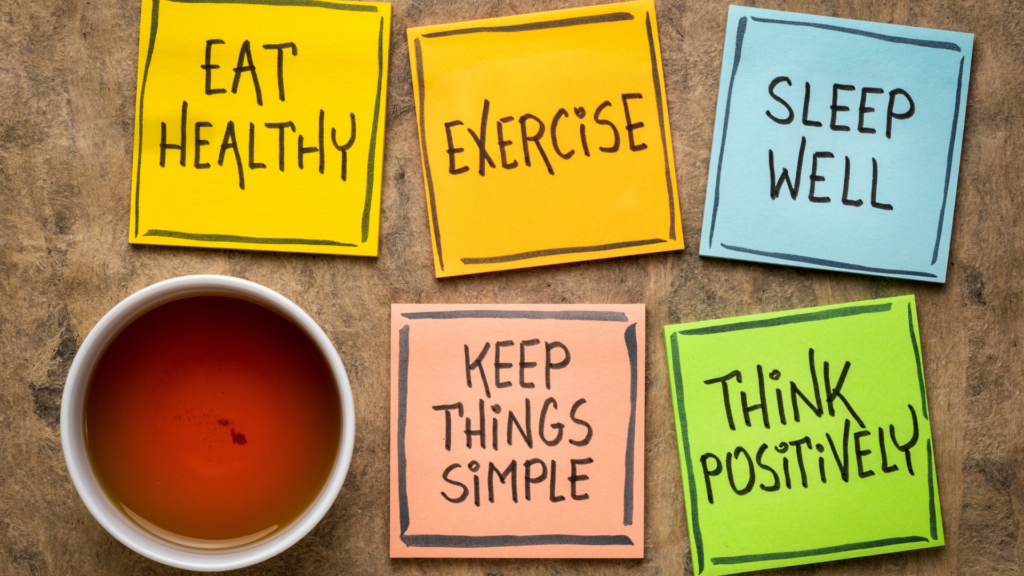
Improving your health often starts with simple habits practiced daily. Small changes in diet, sleep, and activity can lead to measurable benefits over time. The best daily habits for better health focus on eating balanced meals, staying hydrated, moving regularly, and getting enough rest.
Consistency in these areas supports physical and mental well-being. Prioritizing these habits reduces the risk of chronic illness and improves overall quality of life. Understanding which habits matter most can help make healthy living more manageable and effective.
Establishing a Consistent Sleep Routine
Consistent sleep supports physical and mental health by regulating body functions and improving focus. Focusing on sleep quality, calming habits before bed, and a steady schedule helps develop reliable rest patterns.
Prioritizing Quality Sleep
Quality sleep means uninterrupted, deep rest that leaves you refreshed. Aim for 7-9 hours per night, as recommended by health authorities. Avoid caffeine and heavy meals within 4-6 hours before bedtime, as these can disrupt sleep cycles.
Your sleep environment should be cool, dark, and quiet. Use blackout curtains and consider white noise devices if needed. Invest in a comfortable mattress and pillows that support your preferred sleep position.
Creating a Relaxing Pre-Bedtime Ritual
A calming routine signals your body to wind down. Limit screen time 30-60 minutes before bed because blue light suppresses melatonin, making it harder to fall asleep. Instead, try reading, gentle stretches, or deep-breathing exercises.
Avoid stimulating activities or stressful discussions right before sleep. Consistent actions like dimming lights or drinking herbal tea reinforce your body’s sleep cues. Keep the routine consistent every night for best results.
Maintaining a Regular Sleep Schedule
Going to bed and waking up at the same time daily strengthens your circadian rhythm. Even on weekends, try to keep a 30-minute window for sleep and wake times to prevent disruption.
Use alarms for both waking and bedtime to build discipline. Exposure to natural light in the morning helps reset your internal clock. Avoid naps longer than 20 minutes, especially late in the day, to maintain nighttime sleep quality.
Nourishing Your Body with a Balanced Diet
A balanced diet includes a variety of nutrient-rich foods, proper hydration, and thoughtful meal planning. These practices support energy levels, bodily functions, and overall wellness.
Incorporating Whole Foods
Whole foods like fruits, vegetables, whole grains, nuts, and legumes provide essential nutrients without added sugars or unhealthy fats. They are high in fiber, vitamins, and minerals that support digestion and reduce the risk of chronic diseases.
Focus on choosing foods in their natural state or minimally processed forms. For example, swap refined grains for quinoa or brown rice. Fresh produce and raw nuts are better options than packaged snacks.
Eating a diverse range of whole foods ensures a broad spectrum of nutrients needed daily. Aim to fill half of your plate with vegetables and fruits at each meal.
Staying Hydrated Throughout the Day
Water is vital for maintaining body functions, including temperature regulation and nutrient transport. Adults generally need about 8 cups (64 ounces) daily, but this varies with activity, climate, and health conditions.
Drinking water regularly is better than consuming it all at once. Keep a water bottle handy and set reminders if needed. Non-caffeinated herbal teas and water-rich foods also contribute to hydration.
Limit sugary drinks and high-caffeine beverages that can lead to dehydration. Track your hydration by noting the color of your urine; pale yellow indicates proper hydration.
Planning and Preparing Healthy Meals
Meal planning helps control portions and balances nutrients, reducing the temptation of unhealthy fast food. Set aside time weekly to map out meals and snacks, focusing on protein, fiber, and healthy fats.
Batch cooking can save time and stress. Prepare large portions of lean proteins, whole grains, and vegetables that can be mixed and matched throughout the week. Use airtight containers to keep meals fresh.
Keep healthy ingredients accessible and create shopping lists based on your meal plan. This minimizes impulse buys and ensures you have the necessary components for nutrient-rich meals.
Staying Physically Active Every Day
Incorporating physical activity into your daily life improves overall health and supports long-term well-being. Consistency in movement, variety in exercises, and setting clear goals are essential components of an effective routine.
Making Movement Part of Your Daily Routine
Regular movement doesn’t require extended workouts or a gym membership. Activities such as walking or biking to work, taking the stairs, or doing household chores can add valuable physical activity minutes.
Breaking up long periods of sitting by standing or stretching every hour helps maintain circulation and reduce stiffness. Scheduling short activity breaks into your day increases adherence and keeps energy levels steady.
Using tools like step counters or smartphone apps can help track progress and encourage consistent movement. Prioritizing active time— even 10 to 15 minutes—helps build a habit without overwhelming your schedule.
Strength and Flexibility Exercises
Strength training supports muscle mass, bone density, and metabolism. Bodyweight exercises like push-ups, squats, and planks are effective and require no equipment.
Incorporating flexibility exercises such as yoga or static stretching improves range of motion and reduces injury risk. These can be performed daily or combined with strength routines three times per week.
Balancing strength and flexibility enhances physical function and supports daily activities. Start with moderate intensity and gradually increase resistance or duration to avoid injury.
Setting Achievable Fitness Goals
Clear, measurable goals increase motivation and accountability. Rather than vague aims like “get fit,” opt for specific targets such as “walk 5,000 steps daily” or “complete two strength sessions per week.”
Use the SMART criteria for goal-setting:
- Specific: Define what you want to achieve.
- Measurable: Ensure progress can be tracked.
- Achievable: Set realistic targets.
- Relevant: Align with personal health needs.
- Time-bound: Set deadlines for milestones.
Adjust goals as fitness improves to maintain challenge and engagement. Document progress weekly to evaluate success and make informed changes.
Prioritizing Mental and Emotional Well-Being
Developing consistent practices that support mental clarity and emotional balance is essential for sustained health. Techniques to reduce stress, enhance focus, and encourage self-awareness contribute directly to overall well-being.
Practicing Mindfulness and Meditation
Mindfulness involves paying deliberate attention to the present moment without judgment. Regular mindfulness exercises can improve concentration and reduce symptoms of anxiety.
Meditation offers a structured way to achieve mindfulness. Starting with short sessions—5 to 10 minutes daily—can help ease the mind and promote calmness.
Simple mindfulness practices include mindful breathing, body scans, or focusing on sensory experiences. Using apps or guided recordings can assist beginners in establishing a routine.
Managing Daily Stress
Identifying stress triggers is the first step to managing daily stress effectively. Common triggers include work demands, personal conflicts, or information overload.
Techniques such as deep breathing, progressive muscle relaxation, or brief physical activity breaks can interrupt stress reactions. Consistently applying these methods prevents stress buildup.
Organizing tasks using to-do lists or prioritization methods reduces overwhelm. Setting realistic goals and boundaries supports emotional stability.
Setting Aside Time for Self-Reflection
Self-reflection helps clarify emotions and identify areas for personal growth. Allocating 10-15 minutes daily for journaling or quiet thought can achieve this.
Questions to consider during self-reflection include: What emotions am I experiencing? What decisions need reevaluation? How did I handle recent challenges?
Regular self-assessment promotes greater emotional intelligence and decision-making skills. It also enables recognition of stress patterns and progress tracking over time.
Building Healthy Social Connections
Strong social ties improve mental and physical health through emotional support and shared experiences. Prioritizing quality interactions and participating in constructive social activities can lead to more fulfilling and lasting connections.
Cultivating Meaningful Relationships
Meaningful relationships require time, effort, and intentional communication. Focus on active listening, empathy, and openness to deepen your connections with family, friends, or colleagues.
Healthy relationships often involve mutual respect and trust. Set boundaries that promote comfort and safety, and address conflicts calmly to prevent long-term damage.
Build consistency by scheduling regular check-ins or shared activities. Small gestures like sending thoughtful messages or celebrating achievements foster closeness and reliability.
Engaging in Positive Social Activities
Participating in group activities can enhance your sense of belonging and reduce stress. Choose activities aligned with your interests, such as sports, hobby clubs, or volunteer work.
Group environments promote cooperation and shared goals, which strengthen bonds while improving communication and interpersonal skills. Opt for settings that encourage positive interactions rather than competition.
If new to social groups, start with smaller gatherings or online communities to build confidence gradually. Consistency in attendance builds familiarity and trust over time.
Examples of positive social activities:
| Activity Type | Benefits |
| Volunteer groups | Purpose, new connections |
| Sports teams | Physical health, teamwork |
| Book clubs | Intellectual engagement, dialogue |
| Creative classes | Skill development, shared goals |
Maintaining Personal Hygiene and Preventive Care
Effective personal hygiene and preventive care reduce the risk of illness and help maintain consistent well-being. Establishing routine habits and staying proactive with health monitoring are essential components.
Following a Daily Hygiene Routine
Daily hygiene routines should include brushing teeth at least twice a day, using fluoride toothpaste to prevent cavities and gum disease. Washing hands with soap and water for at least 20 seconds before meals, after bathroom use, and when returning home is critical to avoid infections.
Showering or bathing regularly removes sweat, dirt, and bacteria that accumulate on the skin. Applying deodorant helps control body odor. Changing into clean clothes daily prevents skin irritation and infections.
Nail care also matters; trimming nails regularly and keeping them clean prevents fungal infections. Avoiding touching the face with unwashed hands decreases the chance of transmitting germs to sensitive areas like the eyes and mouth.
Scheduling Regular Health Check-Ups
Scheduling and attending regular check-ups help detect potential health issues early. Adults should have annual physical exams, including blood pressure, cholesterol, and glucose checks, to monitor cardiovascular and metabolic health.
Women need routine screenings such as Pap smears and mammograms based on age and risk factors. Men should discuss prostate health with their providers. Immunizations, including flu shots and boosters, should be updated according to recommended schedules.
Dental visits every six months are important to catch oral health problems early. Eye exams every one to two years monitor vision and detect conditions like glaucoma. Keeping a health diary and sharing symptoms with doctors ensures timely interventions.
Developing Productive Daily Habits
Productive daily habits depend on clear intentions and effective management of time. Focusing efforts on what matters most ensures consistent progress, while organizing your schedule maximizes efficiency throughout the day.
Setting Clear Priorities and Goals
Start by identifying tasks that align directly with your long-term objectives. Use a priority matrix to classify activities based on urgency and importance. This helps avoid spending energy on distractions or less impactful work.
Write down specific, measurable goals to track progress. Break large tasks into smaller steps to reduce overwhelm. Review your priorities weekly to adjust for changing demands and stay focused.
Prioritizing health-related activities, such as scheduled exercise or meal planning, reinforces consistency. This clarity reduces decision fatigue and preserves mental resources for critical actions.
Practicing Time Management
Allocate time blocks dedicated to distinct tasks, minimizing multitasking to improve concentration. Use tools like timers or digital calendars to enforce start and end times.
Plan breaks strategically to maintain energy and avoid burnout. Short pauses between focused work sessions increase productivity.
Track how time is currently spent to identify patterns and waste. Adjust daily schedules by eliminating low-value activities and scheduling high-impact tasks during peak energy periods.
Consistent daily scheduling fosters momentum and helps sustain productive habits over time.
Limiting Negative Influences and Habits
Minimizing activities and substances that harm physical and mental health is essential. Small but consistent efforts to reduce these factors can improve energy levels, sleep quality, and overall well-being.
Reducing Screen Time
Extended screen exposure, especially before bed, disrupts sleep patterns by interfering with melatonin production. Limiting recreational screen time to under two hours daily can reduce eye strain and improve focus.
Creating screen-free zones, such as the dining table or bedroom, encourages healthier habits and more social interaction. Using blue light filters or screen time tracking apps helps monitor and control usage. Regular breaks during long screen sessions prevent discomfort and maintain productivity.
Avoiding Harmful Substances
Avoiding tobacco, excessive alcohol, and recreational drugs lowers the risk of chronic diseases, including cancer and liver problems. Even moderate alcohol intake can affect sleep depth and impair immune function.
Replacing harmful substances with healthier alternatives, like herbal teas or water, supports detoxification and hydration. Seeking professional help for cessation and building supportive environments can increase success rates. Awareness of hidden sources of nicotine or alcohol in everyday products also aids avoidance.