
Improving breathing techniques can enhance oxygen intake, reduce stress, and increase overall well-being. The most effective way to improve breathing is to practice slow, deep breaths using the diaphragm rather than shallow chest breathing. This method helps maximize lung capacity and promotes relaxation.
Simple exercises such as controlled inhaling and exhaling, focusing on fully expanding the abdomen, can strengthen respiratory muscles and improve breath control. Consistent practice leads to better energy levels and clearer mental focus.
Understanding the basics of proper breathing and integrating it into daily routines can make a noticeable difference quickly. This article will guide you through practical steps to breathe more efficiently and improve your health.
Understanding Proper Breathing
Breathing involves complex physical mechanisms, common habits, and measurable benefits. Mastering how air moves through the body and recognizing typical patterns can enhance respiratory function. Optimized breathing supports better oxygen delivery and overall health.
The Physiology of Breathing
Breathing begins with the diaphragm, a dome-shaped muscle below the lungs that contracts to draw air in and relaxes to expel air. Air travels through the nose or mouth, down the trachea, and into the lungs, where oxygen is exchanged with carbon dioxide in alveoli.
The respiratory system includes muscles, airways, and lungs working in synchronization. Control centers in the brainstem regulate breathing rate based on carbon dioxide levels in the blood. Efficient breathing relies on smooth diaphragm movement and clear airways.
Common Breathing Patterns
Many people tend to use shallow chest breathing, which limits oxygen intake and often causes tension. This pattern involves minimal diaphragm movement and overemphasis on upper chest muscles. Conversely, diaphragmatic breathing expands the lower ribs and abdomen fully.
Other patterns include mouth breathing, which can dry airways and reduce filtration, and hyperventilation, leading to dizziness or anxiety. Recognizing these habits is crucial to replacing them with slow, deep, nasal breathing that engages the diaphragm properly.
Benefits of Optimal Breathing
Proper breathing increases oxygen absorption, improving energy and mental clarity. It can reduce stress by activating the parasympathetic nervous system, lowering heart rate and blood pressure.
Other benefits include better posture, decreased muscle tension, and enhanced lung capacity. Consistent practice of controlled breathing techniques supports respiratory efficiency and general well-being.
Core Breathing Techniques
Effective breathing methods focus on controlling airflow, improving oxygen exchange, and reducing tension. Techniques often emphasize slow, deliberate inhales and exhales, helping to maximize lung capacity and regulate the nervous system.
Diaphragmatic Breathing
Diaphragmatic breathing, or belly breathing, uses the diaphragm muscle to draw air deeply into the lungs. This method encourages inhaling through the nose, allowing the abdomen to expand rather than the chest.
To practice:
- Sit or lie down comfortably.
- Place one hand on the chest and one on the belly.
- Inhale slowly through the nose, feeling the belly rise.
- Exhale through pursed lips, noticing the belly fall.
This technique increases oxygen intake, lowers heart rate, and reduces stress. It is particularly useful for people with anxiety or respiratory issues.
Pursed Lip Breathing
Pursed lip breathing slows exhalation and improves airflow by narrowing the lip opening during blowing out. This technique helps keep airways open longer, which is beneficial for those with lung conditions like COPD.
Steps include:
- Inhale slowly through the nose for 2 seconds.
- Pursed lips as if ready to whistle.
- Exhale gently through pursed lips for 4 seconds or longer.
It promotes better gas exchange, decreases shortness of breath, and enhances breathing efficiency. This method can be practiced during physical activity or moments of breathlessness.
Box Breathing
Box breathing divides the breath cycle into four equal parts, creating a rhythmic pattern. It is commonly used to increase focus, calm the mind, and regulate breathing.
Perform box breathing by:
- Inhale through the nose for 4 seconds.
- Holding the breath for 4 seconds.
- Exhale through the mouth for 4 seconds.
- Pausing again for 4 seconds before repeating.
This controlled breath pattern activates the parasympathetic nervous system. It can be applied during stress or before performances to maintain steady breathing and composure.
Steps to Improve Your Breathing
Improving breathing requires attention to body position, focused exercises, and consistent habits. Each part plays a key role in developing better respiratory control and efficiency.
Posture and Alignment
Good posture supports optimal lung expansion. Sit or stand with your spine straight, shoulders relaxed, but back and chest should be open. Avoid slouching or leaning forward, which restricts diaphragm movement.
Align your head so your ears are over your shoulders. This position keeps airways open and reduces tension in the neck and chest. You can use a wall or chair back as a guide, ensuring your back maintains its natural curve.
Practice maintaining this alignment throughout the day, especially during work or screen time. Minor adjustments can significantly improve airflow and reduce shallow, chest-based breathing.
Breath Awareness Exercises
Begin by observing your natural breath without trying to change it. Notice where you feel the breath most—chest, belly, or throat. This awareness is essential for identifying restrictive patterns.
Next, practice diaphragmatic breathing. Place one hand on your abdomen and inhale deeply through the nose, expanding your belly. Exhale slowly through pursed lips, allowing the abdomen to contract gently.
Try 5 sets of this exercise, each lasting about one minute, twice daily. These sessions help train your muscles and improve breath depth and control over time.
Establishing a Daily Practice
Consistency is critical for lasting improvement. Set a specific time each day for breathing exercises—morning or evening works well. Use reminders or apps to stay on track.
Incorporate breathing checks into your routine, such as during breaks or before sleep. Record progress by noting any changes in breath ease or frequency.
Start with 5 minutes daily, gradually increasing to 10-15 minutes. A steady routine strengthens your diaphragm and promotes calmer, more effective breathing patterns.
Breathing Techniques for Physical Activity
Proper breathing enhances oxygen delivery, supports endurance, and helps maintain focus during exercise. Different workouts require specific breathing patterns to maximize performance and prevent fatigue.
Breathing for Cardio Workouts
During cardio, aim for steady, rhythmic breathing to meet increased oxygen demand. Use diaphragmatic (belly) breathing to maximize lung capacity and reduce shallow chest breathing.
Inhale deeply through your nose for about two steps, then exhale fully through your mouth for two steps. This 2:2 rhythm helps maintain stamina and prevents early fatigue.
If intensity rises, shift to a 2:1 or 1:1 ratio to increase oxygen flow. Avoid breath-holding or erratic breathing patterns, which can cause dizziness or cramps.
Breath Control in Strength Training
Exhale during the exertion phase (lifting or pushing) and inhale during the relaxation phase (lowering or returning). This timing stabilizes the core and prevents excessive intra-abdominal pressure.
For example:
- Squat: inhale down, exhale up
- Bench press: inhale as you lower the bar, exhale as you push up
Avoid holding your breath (Valsalva maneuver) for too long to prevent spikes in blood pressure. Controlled breathing also improves focus and muscle engagement.
Techniques for Yoga and Meditation
Breath control in yoga emphasizes slow, deep, and even breaths through the nose. Techniques like Ujjayi breathing create a slight constriction in the throat, producing audible breath sounds.
This breathing supports relaxation and improves lung efficiency. It aligns breath with movement, aiding stability and mindfulness.
In meditation, focus on breath awareness with inhalation and exhalation lasting equal lengths. This balance calms the nervous system and enhances mental clarity.
Advanced Breathing Methods
These breathing techniques target the nervous system and lung capacity to improve focus, relaxation, and respiratory efficiency. Both methods require consistent practice and attention to specific patterns for optimal benefits.
Alternate Nostril Breathing
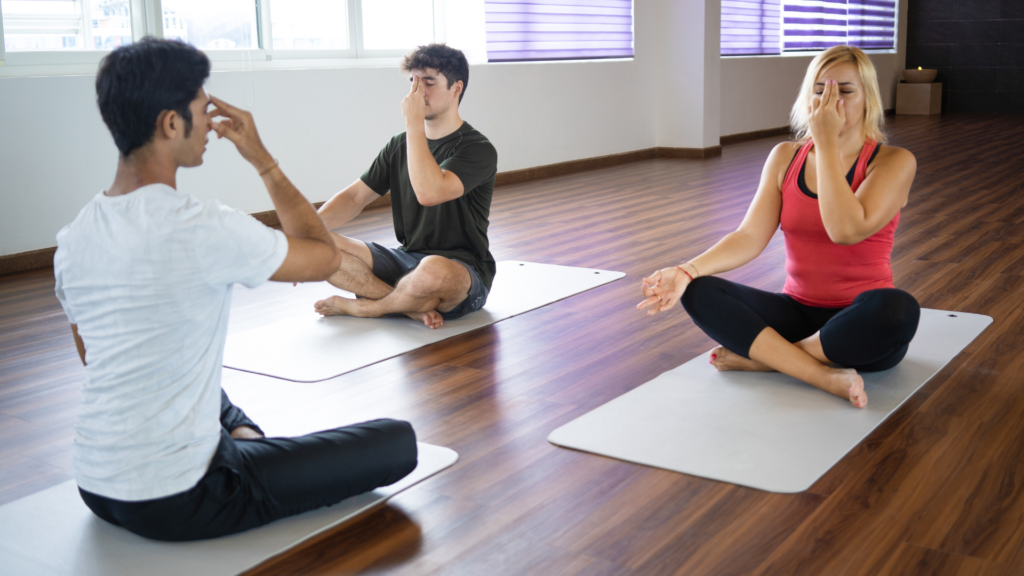
Alternate Nostril Breathing, or Nadi Shodhana, balances oxygen intake using controlled nasal cycles. To perform it, close the right nostril with your thumb and inhale slowly through the left nostril for about 4 seconds.
Next, close the left nostril with your ring finger, release the right nostril, and exhale through it for 6 seconds. Inhale again through the right nostril, close it, and exhale through the left. This completes one cycle.
Practice for 5-10 minutes. This method reduces stress and promotes mental clarity by regulating the autonomic nervous system. It also enhances lung function by encouraging deeper, more controlled breaths.
Resonant Breathing
Resonant Breathing focuses on slowing the breath to a consistent rate, usually around 5-7 breaths per minute. This technique maximizes heart rate variability, which improves cardiovascular and emotional regulation.
Start by inhaling for a count of 6 seconds, then exhale for 6 seconds. Use a timer or app to maintain rhythm. Breathing at this rate helps synchronize heart and lung function for greater efficiency.
Daily practice for 10-15 minutes can lower anxiety, improve sleep quality, and strengthen the respiratory muscles over time. It is effective for those seeking physiological calm without the complexity of advanced pranayama techniques.
Lifestyle Factors That Support Better Breathing
Improving breathing is not just about technique; daily habits and surroundings significantly influence lung efficiency. Adjusting mental state and physical environment aids in maintaining consistent, effective breath control.
Managing Stress and Anxiety
Stress triggers rapid, shallow breathing, reducing oxygen intake. Techniques like mindfulness meditation, progressive muscle relaxation, and focused breathing exercises help regulate breath patterns.
Regular practice of diaphragmatic breathing lowers heart rate and calms the nervous system. This supports steady oxygen flow and reduces the risk of hyperventilation.
Avoid stimulants such as caffeine during high stress, as they can increase breath rate. Prioritize adequate sleep and breaks during the day to control anxiety-related breathing disruptions.
Environmental Considerations
Air quality directly impacts respiratory health and breathing ease. Avoid exposure to pollutants like smoke, dust, and chemical fumes, especially in enclosed spaces.
Use air purifiers and maintain good ventilation at home and work. Monitoring outdoor air pollution levels can guide when to limit outdoor activities.
Humidity also plays a role; very dry or excessively humid environments can irritate airways. Aim for indoor humidity between 30-50% for optimal respiratory comfort.
Tracking Progress and Measuring Improvement
Monitoring your breathing technique improvements requires consistent observation of specific indicators. Tracking changes over time ensures that the techniques are effective and allows for adjustments when needed.
Self-Monitoring Techniques
Use a simple journal or app to record daily breathing exercises, noting duration, comfort level, and any physical changes such as reduced chest tightness or increased lung capacity. Measuring respiration rate before and after exercises helps identify progress. To measure respiration rate, count breaths for 60 seconds while at rest.
Pulse oximeters can provide objective data on blood oxygen levels, offering insight into how breathing affects oxygenation. Pay attention to symptoms like reduced shortness of breath during physical activity or improved relaxation, as these are signs of effective technique. Regular self-assessment enables early detection of any issues or plateaus.
Setting Realistic Goals
Set specific and measurable goals, such as reducing your resting respiration rate by two breaths per minute within four weeks. Break long-term aims into weekly targets for better motivation and tracking.
Goals should be achievable to avoid frustration; for example, increasing total daily breath-hold time by 10 seconds every week. Track progress with clear benchmarks like maintaining calm breathing during stressful moments. Adjust goals based on actual performance and comfort rather than pushing beyond physical limits. This approach supports steady improvement without injury or setback.
Common Challenges and Solutions
Breathing practice often encounters specific obstacles that hinder progress. Recognizing and addressing these issues with targeted techniques can enhance breathing efficiency and comfort.
Overcoming Breath-Holding
Breath-holding can occur due to anxiety, improper technique, or habit. It limits oxygen intake and increases tension.
To address this, practice controlled inhalations and exhalations timed with slow counts. For example:
- Inhale for 4 seconds
- Exhale for 6 seconds
This encourages a natural rhythm without holding the breath.
Using a relaxed posture also reduces involuntary breath retention. Focus on gentle belly expansion rather than chest rising. When tension arises, pause briefly and reset breathing to avoid strain.
Consistent practice helps retrain automatic breathing patterns to prevent breath-holding during stress or exercise.
Dealing with Shallow Breathing
Shallow breathing is mainly chest-based, reducing oxygen flow and causing fatigue or dizziness. It often results from poor posture or sedentary habits.
Improve this by emphasizing diaphragmatic breathing. Place one hand on the abdomen and one on the chest. Aim to expand the belly on each inhale while keeping the chest steady.
Incorporate exercises like 4-7-8 breathing or vocalized sighs to deepen breaths. These stimulate the diaphragm and train fuller lung capacity.
Frequent reminders during day-to-day activities help maintain deeper breathing patterns, improving oxygen exchange and relaxation.
When to Seek Professional Guidance
If breathing difficulties persist despite practicing improved techniques, it is important to consult a healthcare professional. Chronic shortness of breath, frequent dizziness, or chest pain should never be ignored.
Professional guidance is also necessary for individuals with underlying health conditions such as asthma, COPD, or heart disease. These conditions may require tailored breathing strategies and medical management.
Consider seeing a specialist if symptoms worsen during exercise or daily activities. A respiratory therapist or pulmonologist can assess lung function and provide targeted interventions.
Use the checklist below to identify warning signs requiring expert help:
| Warning Signs | Action |
| Persistent breathlessness | Schedule a medical evaluation |
| Chest tightness or pain during breathing | Seek immediate care |
| Frequent dizziness or fainting | Consult a healthcare provider |
| Inability to improve breathing techniques | Request specialist advice |
Professionals can also teach advanced techniques like diaphragmatic breathing, guided relaxation, or biofeedback. These methods can enhance lung capacity and reduce anxiety related to breathing.
Early intervention can prevent complications and improve quality of life. Trust professional advice for personalized care when self-management is insufficient.