
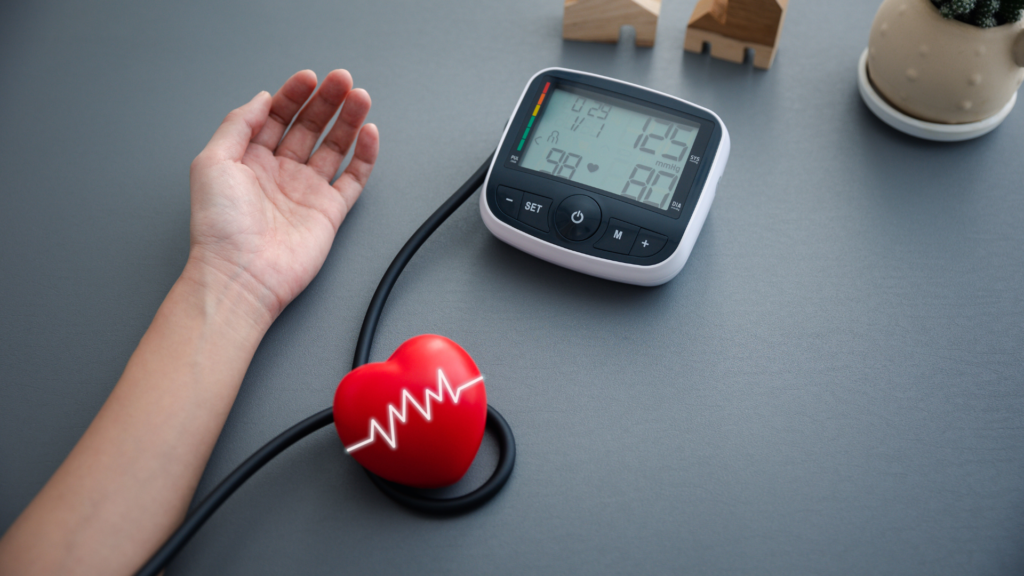
Maintaining healthy blood pressure is essential for reducing the risk of heart disease and stroke. The most effective way to keep blood pressure in check is through a combination of a balanced diet, regular physical activity, and stress management.
Monitoring your blood pressure regularly helps catch any changes early, allowing timely adjustments to lifestyle or medication. Small but consistent changes in daily habits can significantly impact overall cardiovascular health.
Understanding how sodium intake, weight control, and alcohol consumption affect blood pressure can empower you to take control. This guide will provide practical steps to maintain healthy levels and support long-term wellness.
Understanding Blood Pressure
Blood pressure measures the force of blood pushing against artery walls. It is expressed with two numbers that indicate pressure during heartbeats and rest. Knowing what affects blood pressure and the risks of abnormal levels helps manage overall health.
What is Blood Pressure
Blood pressure is the force exerted by circulating blood on the walls of blood vessels. It is recorded as two numbers: systolic (pressure during heartbeat) over diastolic (pressure between beats). For example, a reading of 120/80 mm Hg means 120 mm Hg during systole and 80 mm Hg during diastole.
The heart pumps blood to deliver oxygen and nutrients. Arteries must maintain enough pressure to enable this circulation. Factors like heart rate, blood volume, and vessel elasticity influence blood pressure.
Normal Blood Pressure Ranges
Blood pressure is measured in millimeters of mercury (mm Hg). According to guidelines from health organizations:
| Category | Systolic (mm Hg) | Diastolic (mm Hg) |
| Normal | Less than 120 | Less than 80 |
| Elevated | 120-129 | Less than 80 |
| Hypertension Stage 1 | 130-139 | 80-89 |
| Hypertension Stage 2 | 140 or higher | 90 or higher |
| Hypotension (Low Pressure) | Below 90 | Below 60 |
Regular monitoring is necessary as blood pressure varies with activity, stress, and health conditions.
Health Implications of High and Low Blood Pressure
High blood pressure (hypertension) increases the risk of heart attack, stroke, and kidney disease. It can damage artery walls, making them less elastic and more prone to blockage. Often, hypertension has no symptoms, making screening critical.
Low blood pressure (hypotension) may cause dizziness, fainting, and in severe cases, shock. It results from factors like dehydration, medication side effects, or heart problems. Maintaining blood pressure in a healthy range supports organ function and overall well-being.
Regular Monitoring and Tracking
Consistent blood pressure tracking helps detect changes early and manage risks effectively. Knowing how to properly measure, interpret, and act on your readings is essential for maintaining healthy levels.
How to Measure Blood Pressure at Home
Use a validated automatic cuff designed for the upper arm. Sit quietly for five minutes before measuring. Keep your back supported, feet flat on the floor, and arm at heart level.
Take two or three readings one minute apart. Record all results with dates and times. Avoid caffeine, exercise, and smoking at least 30 minutes before measuring.
Check the cuff size to fit your arm circumference. A cuff too small or too large can cause inaccurate readings. Using the same device and method every time improves consistency.
Interpreting Blood Pressure Readings
Blood pressure is recorded as two numbers: systolic over diastolic (e.g., 120/80 mm Hg). Systolic measures pressure when the heart beats; diastolic measures pressure between beats.
Normal readings are below 120/80 mm Hg. Elevated falls between 120-129 systolic and less than 80 diastolic. Hypertension stage 1 is 130-139 or 80-89. Stage 2 is 140/90 or higher.
Focus on patterns, not single readings. Occasional spikes may not indicate a problem. Share long-term trends with your healthcare provider for informed decisions.
When to Seek Medical Advice
Contact a healthcare provider if readings consistently exceed 140/90 mm Hg. Immediate attention is needed if you experience symptoms like severe headache, chest pain, or shortness of breath.
Seek advice if home readings and clinic readings differ significantly. Also, get help when medications or lifestyle changes don’t improve your numbers.
Regular check-ins are crucial if you have conditions like diabetes, kidney disease, or heart problems. Medical supervision helps adjust treatment and prevent complications.
Healthy Dietary Habits
A focused approach to diet plays a crucial role in managing blood pressure. Key decisions about salt, nutrient intake, and overall meal structure directly influence cardiovascular health.
Reducing Sodium Intake
Sodium directly impacts blood pressure by causing the body to retain water, increasing blood volume. The American Heart Association recommends limiting sodium intake to no more than 2,300 milligrams per day, with an ideal limit of 1,500 milligrams for most adults.
Common high-sodium foods include processed meats, canned soups, and fast food. Reading labels to check sodium content helps avoid excess intake. Cooking fresh meals with herbs and spices instead of salt can maintain flavor while controlling sodium levels.
Incorporating Potassium-Rich Foods
Potassium helps balance sodium’s effects and eases tension in blood vessel walls, aiding blood pressure control. Adults should aim for about 3,500 to 4,700 milligrams of potassium daily, depending on health status.
Foods high in potassium include:
- Bananas
- Sweet potatoes
- Spinach
- Beans
Increasing these in your diet can support healthy blood pressure levels. However, people with kidney issues should consult a healthcare provider before raising potassium intake.
Balanced Eating Patterns
Consistent meal timing and nutrient balance improve blood pressure stability. Diets rich in whole grains, lean proteins, fruits, and vegetables provide essential nutrients without excess calories.
The DASH diet (Dietary Approaches to Stop Hypertension) is often recommended as it emphasizes these foods along with reduced saturated fat. Incorporating healthy fats such as olive oil and nuts while limiting processed sugar also supports vascular health.
Physical Activity for Blood Pressure
Regular physical activity helps lower blood pressure by strengthening the heart and improving blood flow. Choosing the right types of exercise and maintaining a steady routine are essential for managing blood pressure effectively.
Types of Exercise Beneficial for Blood Pressure
Aerobic exercises like walking, swimming, cycling, and jogging are most effective for lowering blood pressure. These activities increase heart rate and improve cardiovascular health without excessive strain.
Strength training, done 2-3 times a week with moderate weights, can also support blood pressure control by improving muscle tone and metabolism. However, heavy lifting or intense bursts should be avoided if blood pressure is uncontrolled.
Flexibility and balance exercises, such as yoga or tai chi, help reduce stress and improve circulation, indirectly benefiting blood pressure levels. Aim to mix these types for balanced fitness.
Creating a Consistent Exercise Routine
Consistency is key to lasting blood pressure control. Start with at least 30 minutes of moderate exercise most days of the week.
Set a schedule that fits daily life—morning walks, biking after work, or swimming weekend laps. Track activities and progress to stay motivated.
Gradually increase intensity and duration, but avoid sudden jumps. Consult a healthcare provider before starting, especially if you have existing health issues.
Effective Weight Management
Controlling body weight plays a key role in managing blood pressure. Maintaining a healthy weight reduces strain on the heart and arteries. Weight loss and proper habits help stabilize blood pressure levels over time.
Impact of Body Weight on Blood Pressure
Excess body weight often increases blood pressure by forcing the heart to work harder. Fat tissue, especially around the abdomen, contributes to hormonal changes that raise blood pressure. A few extra pounds can significantly increase the risk of hypertension.
Studies show that losing just 5-10% of body weight can lead to meaningful reductions in systolic and diastolic pressure. This effect is mainly due to improved blood vessel function and lowered insulin resistance. Maintaining weight within a healthy BMI range (18.5-24.9) supports normal blood pressure levels.
Practical Weight Control Strategies
Effective weight management involves balanced calorie intake and consistent physical activity. Focus on whole foods such as vegetables, fruits, lean proteins, and whole grains. Limit processed foods high in added sugars and saturated fats.
Create a daily exercise routine including 150 minutes of moderate activity like walking or cycling. Monitor progress using a food journal or digital app to ensure calorie balance. Set realistic goals, such as losing 1-2 pounds per week, to promote long-term success.
| Strategy | Details |
| Diet | Choose nutrient-dense, low-calorie foods |
| Exercise | Aim for at least 30 minutes most days |
| Tracking | Use apps or journals for accountability |
| Behavioral Changes | Avoid emotional eating, manage stress |
Limiting Alcohol and Tobacco Use
Reducing alcohol intake and avoiding tobacco are critical steps in maintaining healthy blood pressure. Both substances directly affect cardiovascular health and can lead to long-term complications if not controlled.
Alcohol Consumption Guidelines
Alcohol can raise blood pressure even in moderate amounts. The American Heart Association recommends limiting intake to no more than 2 drinks per day for men and 1 drink per day for women.
A “drink” is defined as:
- 12 oz of beer (5% alcohol)
- 5 oz of wine (12% alcohol)
- 1.5 oz of distilled spirits (40% alcohol)
Exceeding these limits increases the risk of hypertension and other heart problems. Regular heavy drinking may cause sustained high blood pressure and damage to the heart muscle.
Effects of Smoking on Blood Pressure
Smoking raises blood pressure immediately after use by constricting blood vessels and increasing heart rate. These effects can last for hours, creating persistent stress on the cardiovascular system.
Nicotine also damages the lining of arteries, promoting plaque buildup that narrows vessels and raises pressure. Smokers are more likely to develop hypertension compared to non-smokers.
Quitting smoking reduces blood pressure within weeks, lowers heart disease risk, and improves overall vascular health. Avoiding tobacco exposure is essential for blood pressure control.
Managing Stress Levels
Stress affects the body in measurable ways, impacting blood pressure both immediately and over time. Taking targeted steps to manage stress can help maintain a healthier blood pressure range.
Techniques to Reduce Stress
Effective stress reduction methods focus on calming the nervous system. Techniques such as deep breathing exercises, progressive muscle relaxation, and mindfulness meditation can lower heart rate and reduce tension.
Regular physical activity is also key. Activities like walking, yoga, or swimming promote relaxation and release endorphins that counteract stress hormones.
Creating a structured daily schedule with time for hobbies and rest improves mental clarity and limits stress buildup. Avoiding excessive caffeine and alcohol also supports a calmer nervous system.
Connection Between Stress and Blood Pressure
When stressed, the body releases hormones like adrenaline that cause temporary spikes in blood pressure. If stress is frequent or prolonged, these spikes can become habitual and harm blood vessels.
Chronic stress is linked to behaviors that negatively affect blood pressure, such as poor diet, smoking, or physical inactivity. These indirect effects amplify the risk of hypertension.
Monitoring stress levels and recognizing physical signs like headaches or muscle tightness can help intervene before blood pressure is adversely affected. Regular relaxation helps keep stress-related blood pressure variability in check.
Medication and Medical Support
Managing blood pressure often requires medication alongside lifestyle changes. Understanding the types of medications available and maintaining regular communication with healthcare professionals is essential for effective control.
Types of Blood Pressure Medications
Several classes of drugs treat high blood pressure, each working differently:
- Diuretics remove excess sodium and water from the body, reducing blood volume.
- ACE inhibitors relax blood vessels by blocking the formation of a hormone that narrows arteries.
- Calcium channel blockers prevent calcium from entering heart and artery cells, easing vessel tension.
- Beta-blockers reduce heart rate and output, lowering blood pressure.
- Angiotensin II receptor blockers (ARBs) block a hormone that causes arteries to narrow.
The specific medication depends on individual health conditions, age, and other factors. Side effects vary, so regular monitoring is important to adjust dosages or switch drugs if necessary.
Working with Healthcare Professionals
Regular check-ups are crucial for monitoring blood pressure and medication effectiveness. Doctors may recommend blood pressure logs or home monitoring devices to track daily readings.
Communicate openly about side effects or new symptoms. Adjustments to medication often require professional guidance to avoid complications.
Healthcare professionals also assess risk factors and suggest additional tests if needed, ensuring a comprehensive treatment plan tailored to individual needs. Following prescribed schedules and attending appointments improves long-term blood pressure management.
Lifestyle Modifications for Long-Term Success
Consistent habits and careful monitoring are essential to managing blood pressure effectively. Adopting structured routines and regularly tracking your health can improve control and prevent complications.
Establishing Healthy Routines
Create daily habits around nutrition, physical activity, and stress management. Aim for at least 30 minutes of moderate exercise like walking or cycling five days a week. Limit sodium intake to under 2,300 mg per day, ideally closer to 1,500 mg.
Incorporate foods rich in potassium, such as bananas, spinach, and sweet potatoes. Avoid excessive alcohol; stick to no more than one drink per day for women and two for men. Prioritize 7-8 hours of quality sleep each night to support cardiovascular health.
Set specific, measurable goals. Use reminders to take medications on time and plan meals ahead. Small adjustments, like replacing salty snacks with nuts or fruits, can yield significant benefits over months.
Tracking Progress Over Time
Use a home blood pressure monitor to record readings consistently. Measure at the same time daily, preferably morning and evening, and keep a log of results to identify trends or triggers.
Digital apps or traditional journals can help organize data. Share this information during medical appointments to inform treatment decisions. Note factors such as physical activity, diet changes, and stress levels alongside pressure readings.
Adjust routines based on progress and challenges. Regular tracking promotes accountability and empowers timely interventions to maintain target blood pressure levels.
Understanding Risk Factors and Prevention
Blood pressure control depends heavily on individual factors like genetics and age. Identifying specific risks can guide better lifestyle choices and medical care to reduce the likelihood of hypertension.
Genetic Predisposition and Family History
A family history of high blood pressure significantly raises the risk. If close relatives have hypertension or related conditions such as heart disease or stroke, monitoring and early intervention become crucial.
Genes influence how the body regulates sodium, blood vessel function, and hormonal balance, all affecting blood pressure. People with a genetic predisposition should adopt preventive habits early, like maintaining a low-sodium diet and regular physical activity.
Genetic risk does not guarantee hypertension but increases susceptibility. Regular screenings and communication with healthcare providers are important for those with a family history to catch any rise in blood pressure promptly.
Age and Demographic Influences
Blood pressure tends to rise with age due to stiffening arteries and changes in kidney function. After age 45, the risk of hypertension increases significantly, especially for men. For women, the risk grows after menopause.
Certain demographics also face higher risks. African Americans, for example, have higher rates of hypertension and related complications compared to other groups, often due to genetic and environmental factors combined.
Lifestyle adaptations such as maintaining a balanced diet, managing weight, and reducing stress become more important as people age or belong to at-risk demographic groups. Regular BP monitoring is essential for early detection and management.