
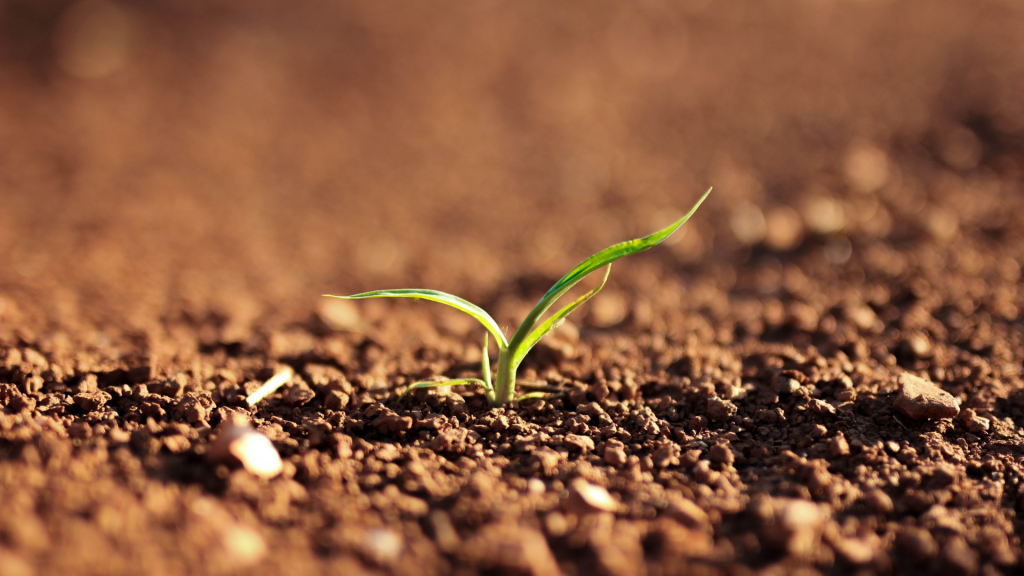
Soil is the fertile ground where plants grow as well as is a key component in the growth of many food products. Soil contains living organisms called “microbes,” which help plants break down dead plants and other plant matter and turn them into food.
Soil is a finite resource. We have paved over large parts of our country in recent decades, and the soil underneath is now contaminated with heavy metals and other toxins. This damage not only threatens our surface drinking water sources, but the soil itself can also become unstable. In places with hard, rocky soil, like Colorado, we can still grow vegetables, but the produce is lower.
Maintaining healthy soil is essential for successful gardening and landscaping. Regular maintenance practices, such as adding organic compost, mulching, and minimizing soil disturbance, can significantly improve soil health. If you’re looking for assistance, you can search online for “landscaping near me.” Professionals could help with all necessary gardening tasks to ensure your garden is thriving. These practices not only enhance nutrient availability but also promote a healthy ecosystem for beneficial microorganisms, which improves soil structure and plant resilience. By ensuring that your landscape is well-maintained, you could create an environment where plants can flourish, contributing to both aesthetic appeal and food production.
Check the pH level of your soil first
Soil is one of the most crucial factors for successful gardening. Poorly drained, acidic soil can kill your vegetables, particularly delicate crops like tomatoes, corn, and peppers. Many gardeners add lime or (more commonly) sulphur to affected soils but check the soil’s pH level first for the best results. A soil test from a reputable gardening service will tell you if your soil is acidic, neutral, or alkaline and can help you make the appropriate adjustment. Once the pH level is balanced, you can then think of planting and landscaping your garden spaces. For lawn areas, you can use grass grids to create a perfect grassy surface, while raised beds for flowers allow you to control the soil conditions more easily. Proper landscaping not only enhances the aesthetic appeal of your outdoor spaces but can also contribute to fire protection by creating strategic barrier zones around your property.
Determine whether you need to raise the pH level
If you are noticing some issues with your soil that are affecting your plants and vegetables, and you want to make sure if your pH level is in the right bracket, then you will need to do a test to check and see. If it comes back at lower than 7.0 then your soil has turned acidic, and you will want to check out how adding lime may be beneficial in keeping your vegetables and plants healthy and growing (more on that below).
5 Ways to Make the Soil Less Acidic
Wood Ash
Wood ash is probably something you have been meaning to use in your garden but have been too afraid to try. The fear of adding too much wood ash to your soil is unfounded, as wood ash is great for improving soil health. Ash has acidic properties, which make it beneficial for neutralizing soil’s alkalinity and can provide crucial nutrients for your crops. You can speak with someone like these Landscape Contractors if you think that wood ash may be a good addition to your yard and lawn but you’re not yet sure of this. Experienced landscapers will be able, with their expertise, to confirm this for you and get to work at making your soil less acidic.
Lime
When added to your soil, Lime can help make it less acidic. Acidic soil is soil that retains nutrients, preventing their absorption by plants. It also causes some plant diseases, which makes proper soil acidity especially important. Lime is basically a compound made of calcium carbonate and oxides. It is commonly used in agriculture as a soil conditioner.
Limestone
A review of a study by researchers at the University of California, Davis, found that adding limestone to your soil may aid in its ability to retain nutrients, which in turn could help your soil maintain its fertility and yield plants more nutritious fruit. It can also increase the pH level of the soil just like normal lime.
Remove Acidic Organic Matter
One way to reduce soil acidity is to remove acidic organic matter, such as pine needles, leaves, and grass clippings, from the soil surface. These materials can contribute to the buildup of acidic compounds in the soil over time. Using a lawn mower or rake to remove them periodically can help prevent excessive soil acidification.
Apply Crushed Eggshells or Seashells
Like limestone and wood ash, crushed eggshells and seashells can also help raise the pH level of acidic soil. These materials are rich in calcium carbonate, which can neutralize soil acidity. Spread a thin layer of crushed eggshells or seashells over your garden beds or lawn and work them into the soil.
Whether you are an avid gardener or just starting out, it is important that you take on board how to best tend to your garden to produce great results that can keep your greenery looking beautiful all year round.